0319-5628888
mr.suo@zrbearing.net
Login/Registration
EN
Heavy-Duty Agricultural Bearings: Solutions for Harsh Field Operations
Farming equipment operates in some of the toughest environments—uneven terrain, constant vibration, dust, mud, and extreme temperature fluctuations. For agricultural machinery like harvesters, tractors, and seeders, reliable bearings are non-negotiable; they are the backbone of smooth, uninterrupted operation. Unlike standard industrial bearings, agricultural-grade bearings are engineered to withstand unique challenges: heavy impact from crop residue, corrosion from rain and soil, and prolonged high-load operation. This article focuses on practical solutions to common bearing-related issues, helping farmers and equipment managers maximize bearing life and minimize costly downtime. Key Challenges of Agricultural Bearings in Field Use   The primary reason agricultural bearings fail prematurely is their inability to cope with field-specific stressors. Understanding these challenges is the first step to selecting and maintaining the right bearings:   - Contamination & Corrosion: Dust, soil, and moisture penetrate bearing seals, causing internal wear, rust, and eventual seizure. This is especially problematic for outdoor equipment like harvesters and tractors that operate in wet or dusty conditions.   - High Impact & Vibration: Plowing, harvesting, and hauling create constant vibration and sudden impact loads, which can loosen bearings, damage raceways, and break locking mechanisms over time.   - Extreme Temperature Fluctuations: From hot summer days to cold autumn mornings, temperature changes cause grease to thicken or thin, reducing lubrication effectiveness and accelerating bearing wear.   - Poor Maintenance Access: Many bearings are installed in hard-to-reach areas of farm equipment, making regular inspection and lubrication difficult—leading to neglected maintenance and early failure.   Selecting the Right Bearing for Each Agricultural Application   No single bearing works for all farm equipment. The key is to match the bearing’s design and materials to the specific demands of the application:   1. Harvesters: For High-Impact, Contaminant-Prone Environments   Harvester components like cutter bars, threshing drums, and conveyors face constant impact and straw entanglement. Opt for sealed pillow block bearings with cast iron housings—they offer superior impact resistance and a robust sealing system (double-lip seals + dust covers) to block crop debris and moisture. Eccentric collar locking ensures bearings stay secure even under high vibration.   2. Tractors: For Heavy Loads & Vibration   Tractor transmissions, rear axles, and suspension systems handle heavy loads and continuous vibration. Choose cylindrical roller bearings for transmissions (excellent radial load capacity) and self-aligning spherical roller bearings for suspension components—their self-aligning capability compensates for shaft misalignment caused by rough terrain. For wheel axles, use corrosion-resistant sealed bearings to withstand mud and rain.   3. Seeders & Planters: For Precision & Durability   Seeders require precise, smooth rotation to ensure uniform seeding. Usehigh-precision miniature deep groove ball bearings for seeding shafts—they are compact, low-friction, and designed for high-speed operation. For fertilizer spreaders and crusher components, select thickened insert spherical bearings to handle occasional impact from rocks or hard debris.   Proactive Maintenance Tips to Extend Bearing Life   Even the best bearings will fail prematurely without proper maintenance. Follow these simple, field-friendly tips to keep bearings in top condition:   1. Choose the Right Lubricant: Use lithium-based grease formulated for agricultural use—look for water resistance, high-temperature stability, and anti-wear additives. Avoid mixing different grease types, as this can reduce lubrication effectiveness.   2. Stick to a Lubrication Schedule: Lubricate bearings more frequently during peak harvest season (every 7–10 days for high-use equipment) and less often during off-peak periods (every 3–4 months). After rainy or muddy operations, reapply grease to flush out contaminants.   3. Inspect Seals Regularly: Check bearing seals for cracks, wear, or misalignment monthly. Replace damaged seals immediately—they are the first line of defense against contamination.   4. Clean Around Bearings: Remove crop residue, dirt, and mud from bearing housings weekly. Built-up debris can damage seals and cause overheating.   5. Store Equipment Properly: During off-season storage, clean bearings thoroughly, apply fresh grease, and cover equipment with a waterproof tarp. This prevents rust and keeps bearings ready for the next planting or harvest season.   Troubleshooting Common Bearing Issues in the Field   When bearing problems arise, quick action can prevent costly equipment damage. Here’s how to diagnose and fix common issues:   - Overheating Bearings: If a bearing feels hot to the touch (exceeding 140°F/60°C), check for over-lubrication, contaminated grease, or misalignment. Drain excess grease, replace contaminated grease, and adjust shaft alignment.   - Abnormal Noise: A grinding or clicking sound usually indicates worn raceways or rolling elements, or insufficient lubrication. Add grease first—if the noise persists, replace the bearing immediately to avoid further damage.   - Loose Bearings: Vibration can loosen locking mechanisms. Tighten set screws or eccentric collars, and add lock washers if needed. If the shaft is worn, repair or replace it to ensure a secure fit.   - Rust or Corrosion: If bearings show signs of rust, clean them with a mild solvent, dry thoroughly, and apply anti-rust grease. For severe corrosion, replace the bearing to prevent seizure.   Why Zhongda Bearing Stands Out for Agricultural Applications   Zhongda Bearing designs and manufactures heavy-duty agricultural bearings specifically engineered for the rigors of field operation. Our bearings feature high-quality bearing steel construction, robust sealing systems, and vibration-resistant locking mechanisms—all tested to withstand dust, moisture, impact, and temperature fluctuations. We offer a full range of bearings for harvesters, tractors, seeders, and more, with customizable options to fit unique equipment needs. Plus, our team provides expert technical support to help you select the right bearing and maintain it for maximum lifespan.
2026/03/17
Insert Spherical Bearings: Structural Advantages, Selection Mistakes & Practical Maintenance Guide
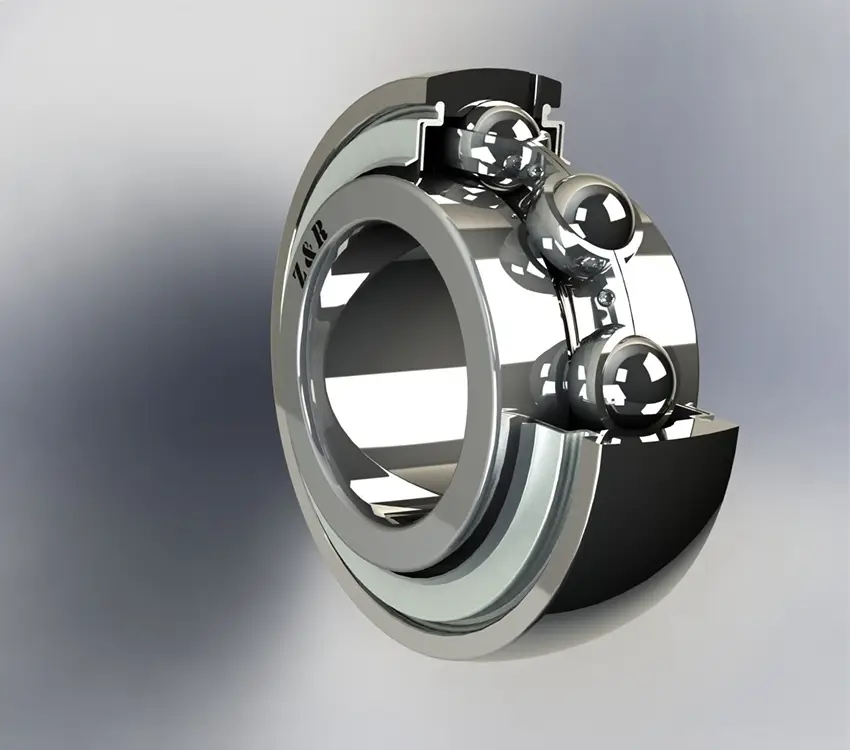
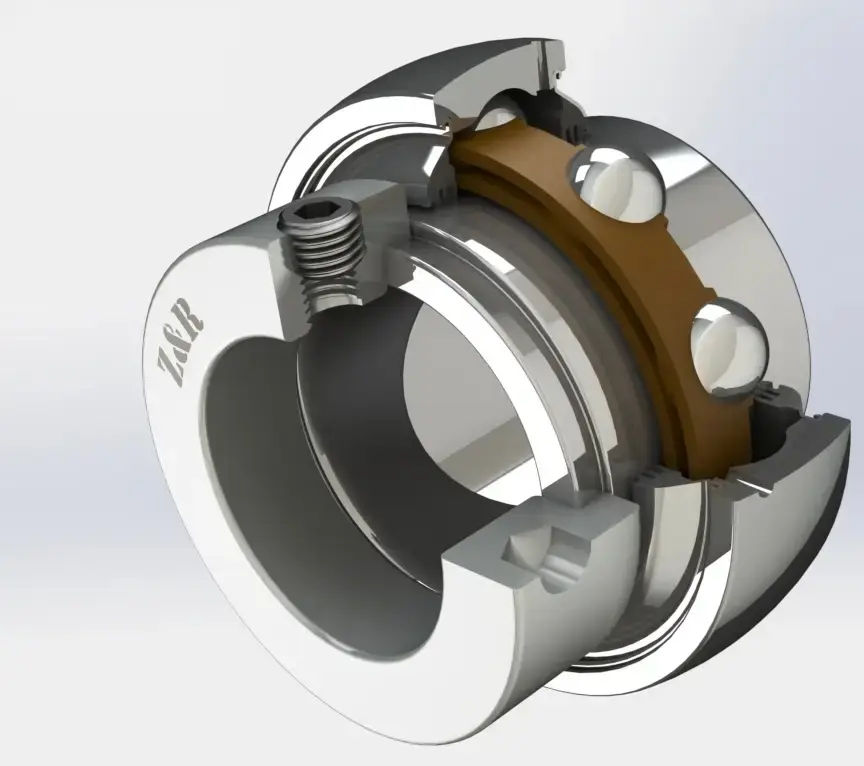
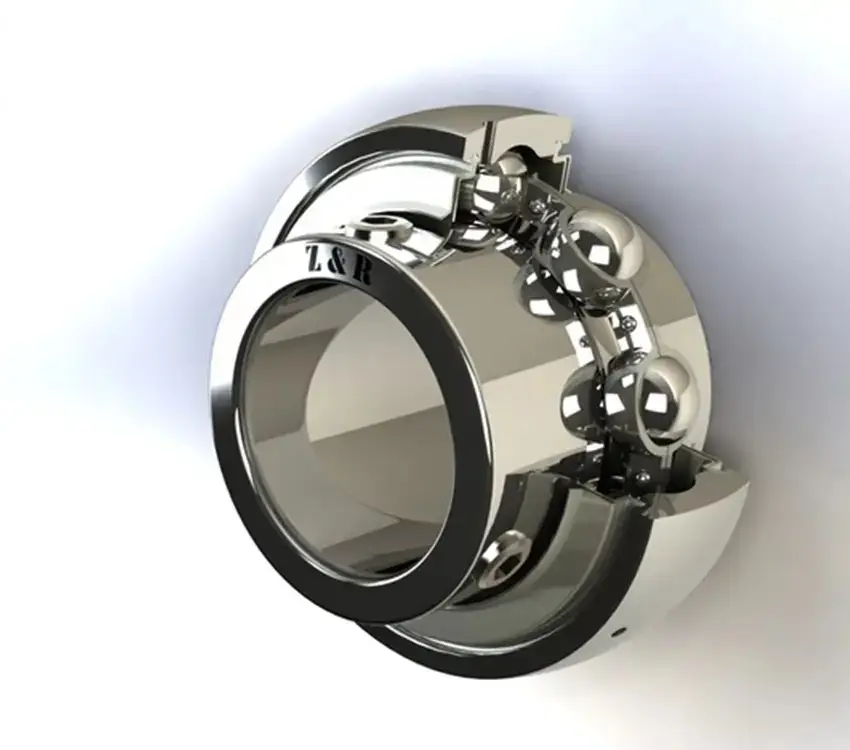
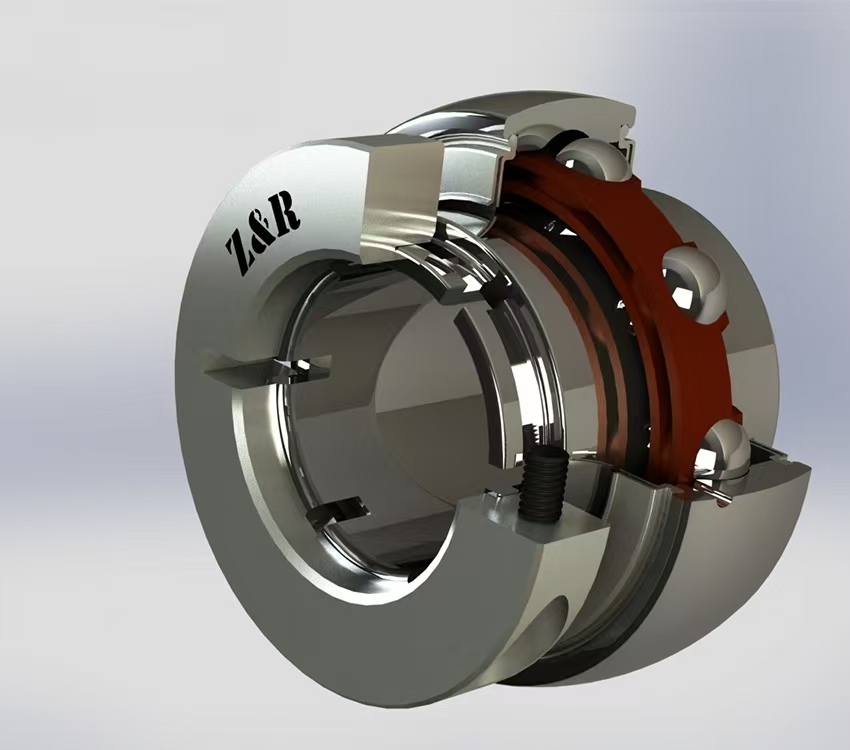
Insert spherical bearings are versatile components widely used in agricultural machinery, conveyors, fans, textile machinery and other light-to-medium load applications. Their unique structural design breaks the traditional strict requirements on installation accuracy, making them the first choice for complex working conditions. However, many users fall into pitfalls during selection and installation, leading to premature bearing failure. Based on their core structural advantages, this article sorts out common selection mistakes and shares practical maintenance methods to help users select and use insert spherical bearings correctly. I. Core Structural Advantages of Insert Spherical Bearings The core competitiveness of insert spherical bearings comes from their exclusive structural design, which is not a simple revision of ordinary bearings. This is the key to their ability to adapt to harsh working conditions: Excellent self-aligning performance: The outer surface of the bearing outer ring is spherical, which can match the spherical inner surface of the bearing seat. Even if there is a slight coaxiality deviation during installation or vibration displacement during equipment operation, it can be automatically compensated to avoid bearing eccentric load wear. It is especially suitable for agricultural machinery and conveying equipment with limited installation accuracy. Superior sealing performance: Equipped with double-sided rubber seals or dust covers as standard, some models adopt multi-layer sealing structures. Without additional protective parts, it can block dust, water vapor and debris from invading, solving the problem of weak sealing of ordinary bearings. Minimal installation and disassembly: Adopting three main locking methods: set screw locking, eccentric sleeve locking and lock nut locking. It does not require complex tools and can be fixed on the shaft neck. Novices can quickly complete assembly, greatly reducing installation time. Wide load adaptability: The thickened inner ring design improves radial load capacity. It can not only adapt to light-load high-speed working conditions but also meet medium-load impact working conditions, balancing practicality and durability. II. Common Selection Mistakes of Insert Spherical Bearings Many users only look at the size when selecting insert spherical bearings, ignoring the working condition matching, which is very easy to cause bearing heating, abnormal noise and short life. The following three major mistakes must be avoided: Mistake 1: Blindly choosing low-price ordinary models, ignoring working condition protection needs In humid, dusty and corrosive working conditions, choosing non-sealed and non-rust-proof ordinary insert spherical bearings will lead to rapid rust and dust ingress failure even if the size is compatible. For such working conditions, we must select models with enhanced sealing and anti-rust treatment, not only pursue low prices. Mistake 2: Choosing locking methods arbitrarily, not matching shaft end working conditions Set screw locking is suitable for low-speed and stable working conditions, while eccentric sleeve locking is more suitable for high-speed and vibration working conditions. If high-speed vibration equipment mistakenly uses set screw models, it is easy to cause screw loosening and bearing displacement. When selecting, we must match the locking method according to the equipment speed and vibration intensity. Mistake 3: Only looking at inner and outer diameter sizes, ignoring accuracy and load level Choosing ordinary precision bearings for high-precision equipment will cause operation jamming; choosing light-load bearings for heavy-load equipment will directly crush the raceway. In addition to size, the accuracy grade (P0, P6 grade) and rated load must match the equipment parameters. "Size matching is enough" is not acceptable. III. Practical Maintenance Skills of Insert Spherical Bearings The maintenance of insert spherical bearings does not require complex operations. Grasping the three key points of "light installation, frequent cleaning and accurate lubrication" can greatly extend the service life: Standardized installation, refusing violent operation: Clean the burrs and oil stains on the shaft neck before installation. It is strictly forbidden to hit the bearing end face with an iron hammer. Use a soft hammer or sleeve to apply pressure evenly; the locking screw should be moderate in strength. Too tight will easily cause bearing jamming, and too loose will cause loosening and displacement. Regular cleaning, block impurity invasion: Clean the dust and debris on the bearing surface every week, focus on checking whether the seal is intact. If the seal is aged or cracked, replace it in time to prevent impurities from entering the raceway and causing wear. Accurate lubrication, refusing excessive or insufficient grease: Use lithium-based grease. Lubricate every 3-6 months in dry working conditions, shorten to 1-2 months in harsh working conditions; the lubrication capacity is controlled at 1/3 of the bearing internal clearance. Excessive lubrication will cause heating, and lack of grease will aggravate dry friction. IV. Emergency Handling of Common Small Faults Slight bearing heating: Mostly due to excessive lubrication or installation misalignment. Clean excess grease and fine-tune the shaft end coaxiality; Slight abnormal noise during operation: Check whether there is lack of grease or dust ingress. Supplement new grease and clean impurities before restarting operation; Locking loosening: Stop the machine to fasten the locking screw/eccentric sleeve, and install lock washers to avoid loosening again due to vibration. Zhongda Bearing produces insert spherical bearings covering all specifications and models, with a variety of locking and sealing methods. Forged with high-quality steel, our bearings meet accuracy standards and have durable sealing, which can adapt to various working condition requirements. We also provide one-on-one selection guidance to help users avoid mistakes and select suitable bearing products.
2026/03/13
Selection Adaptation and Working Condition Protection Tips for Special Harvester Bearings
As the core equipment for agricultural harvesting operations, harvesters feature high operating intensity and complex working conditions. During field operations, they not only withstand high-frequency vibration and impact loads but are also exposed to dusty, humid environments prone to straw and debris accumulation for a long time. The performance of their supporting bearings directly determines the operational efficiency and failure rate of harvesters. Special harvester bearings must integrate the characteristics of impact resistance, strong sealing performance and wear resistance. Only through precise selection and targeted working condition protection can they meet the operational requirements of core components such as headers, drums and conveying troughs, reduce field downtime due to failures, and ensure efficient harvesting operations. With years of intensive R&D and production of agricultural machinery bearings, Zhongda Bearing has developed special bearings adapted to each component of harvesters, which fit the complex field working conditions and safeguard autumn harvest operations. Core Selection Principles: Match Performance by Component and Specifications by Working Condition The stress, rotating speed and operating environment vary significantly across different harvester components, so selection must be precise and customized, avoiding a one-size-fits-all approach. The header cutter roller and reel are the core stress-bearing parts of harvesters, subject to continuous impact and alternating loads during operation, and prone to entanglement with straw and soil. For these parts, pillow block bearings with high impact resistance and excellent load-bearing capacity are required. Their integrated design with a built-in bearing housing enables easy installation, and the self-aligning performance can compensate for coaxiality deviations during operation. Paired with a double-sided reinforced sealing structure, they effectively block the intrusion of straw debris, soil and moisture. The drum and threshing device operate at high speed with heavy friction, demanding high wear resistance and high-temperature resistance from bearings. High-precision deep groove ball bearings are preferred to meet high-speed operation requirements, and they must match the corresponding precision grade to reduce heat generation and abnormal noise during high-speed rotation. The conveying trough and traveling wheel components bear stable loads but are exposed to large amounts of dust and impurities. Conventional sealed spherical bearings are sufficient, balancing practicality and cost-effectiveness. The inner diameter, outer diameter and locking method of the bearings must be precisely matched with the equipment shaft end to ensure proper installation and stable transmission. Targeted Protection Measures for Harsh Field Working Conditions For the harsh operating conditions of harvesters in the field, targeted protection measures are the key to extending the service life of bearings. These measures focus on "impurity prevention, vibration resistance and lubrication guarantee", with simple and implementable operations suitable for rapid field maintenance. Firstly, enhance sealing protection to block impurity intrusion. In addition to the built-in sealing structure of the bearings, dust shields can be installed on exposed bearing parts such as headers and drums to reduce direct contact between straw debris, soil and bearings. Clean the entangled straw and accumulated soil around the bearings in a timely manner during operation breaks, check the integrity of the bearing sealing rings, and replace damaged or deformed ones promptly to prevent impurities from entering the bearing interior and causing wear to the raceways and rolling elements due to failed protection. Secondly, strengthen anti-loosening and vibration resistance to avoid component loosening. The high-frequency vibration during harvester operation tends to loosen the bearing locking structures and fixing bolts. During installation, add anti-loosening washers to the bearing housing fixing bolts, tighten the locking structures moderately as required; apply even force for eccentric sleeve locking and cross-tighten set screws. Regularly inspect the bolts and locking parts before and during operation, and fasten them immediately if looseness is found, to prevent bearing eccentric load and coaxiality deviation caused by loosening, which may lead to bearing overheating and abnormal noise. Thirdly, implement lubrication protection to ensure lubrication effectiveness. Special harvester bearings require water-resistant, wear-resistant and high-temperature-resistant lithium-based grease to adapt to the humid, high-friction field conditions. Conduct lubrication maintenance on the bearings every 10–15 days during the operation season. Before lubrication, clean impurities around the lubrication holes, drain the old grease before adding new grease, and control the filling amount to 1/3–1/2 of the internal clearance of the bearing to avoid overheating caused by excessive grease or insufficient lubrication due to too little grease. Check the bearing lubrication status promptly after rainy-day operations; if there are signs of water ingress, immediately clean and refill with new grease. Daily Inspection and Fault Prediction of Harvester Bearings Daily inspection and fault prediction of harvester bearings are crucial to detect early fault signals in a timely manner and prevent minor issues from escalating to affect harvesting operations, with three core signals to focus on: Listen for abnormal noise: A continuous "buzzing" sound from the bearing area during equipment operation mostly indicates insufficient or deteriorated grease; an irregular "clicking" sound is likely caused by impurity intrusion or slight wear of bearing components. A metallic knocking sound requires immediate shutdown for inspection to check for bearing loosening or damage to raceways and rolling elements. Check the temperature: Touch the bearing housing by hand. If the temperature is significantly high and keeps rising, exceeding the ambient temperature by 40°C, it is mostly caused by lubrication failure, bearing eccentric load or installation coaxiality deviation. Shut down the machine for troubleshooting and timely handling. Inspect the status: Regularly check for oil leakage and dust ingress at the bearing seals, looseness of bolt locking structures, and deformation or cracks in the bearing housing. Detect and maintain issues early to avoid harvester downtime caused by bearing failures. Seasonal Storage and Bearing Maintenance of Harvesters Standardized operations are also required for seasonal storage and bearing maintenance of harvesters to prepare for the next season's operations. After the harvesting operation is completed, promptly clean the straw, soil and oil stains on the entire harvester and bearing parts, disassemble the bearings for thorough cleaning, and check the wear condition of bearing components. Reinstall slightly worn bearings after re-lubrication, and replace severely worn ones with special bearings of the same model in a timely manner. Park the harvester in a dry and ventilated warehouse, and wrap the bearing parts with waterproof cloth to prevent moisture and rust. During long-term storage, perform lubrication maintenance on the bearings every 2–3 months to ensure internal lubrication and avoid grease drying out that affects next use. About Zhongda Bearing's Harvester Special Bearings Zhongda Bearing specializes in the R&D and production of a full range of special bearings for harvesters, covering all core components such as headers, drums and conveying troughs. Made of selected high-quality steel, processed with precision and tested for strict impact resistance and sealing performance, our bearings feature excellent impact resistance, wear resistance and sealing protection that fully meet the complex field working condition requirements of harvesters. With a complete range of models and easy installation, they can be precisely adapted to various brands of harvesters. In addition, in view of the operating characteristics of harvesters, Zhongda Bearing provides customers with professional bearing selection guidance and on-site maintenance suggestions, helping agricultural machinery users select and use bearings correctly, reduce field failures, improve harvesting efficiency, and provide reliable bearing supporting guarantees for high agricultural yields and bumper harvests.
2026/03/12
Fault Prevention & Service Life Extension Tips for Pillow Block Bearings
Pillow block bearings are integrated transmission components with insert spherical bearings and housings, featuring easy installation, self-aligning performance and strong adaptability. Widely used in light and medium load equipment like agricultural machinery, conveyors and industrial fans, they mostly operate in dusty, vibrating and humid conditions. Proper fault prevention and scientific usage skills are key to reducing failure rates, extending service life and cutting maintenance costs. Core Fault Prevention Measures Fault prevention for pillow block bearings focuses on standard installation, reliable protection and timely inspection. Standard installation: Clean oil, iron filings and burrs on mating surfaces before installation; use self-aligning performance to fine-tune coaxiality and avoid forced assembly. Tighten locking structures properly and add lock washers to housing bolts; rotate the shaft manually to ensure smooth operation after installation. Enhanced protection: Install protective covers for dusty/humid working conditions; regularly clean debris around bearings and replace aged/damaged seals in time to prevent impurity and water intrusion. Timely inspection: Monitor for abnormal noise and overheating during operation; shut down if housing temperature exceeds ambient temperature by 40℃. Check for loose bolts/locking parts and oil leakage/dust ingress at seals frequently. Key Tips for Service Life Extension Extend bearing life with scientific lubrication, targeted maintenance and standard storage. Scientific lubrication: Use water/wear-resistant lithium-based grease, fill 1/3-1/2 of the bearing’s internal clearance after draining old grease. Lubricate every 3-6 months for dry conditions, 1-2 months for humid/heavy-load/dusty conditions; recheck lubrication before restarting idle equipment. Targeted maintenance: Increase inspection/lubrication frequency for high-frequency operation equipment. Disassemble with a soft hammer (no prying/hitting); clean and inspect bearings, replace worn parts in time. Standard storage: Store spare bearings in a dry, ventilated place; keep the bearing-housing integration, wrap well to avoid rust and scratch. Refill grease every 6 months for long-term storage. Simple Emergency Handling for Minor Faults 1.Slight looseness: Retighten locking parts and bolts, replace damaged lock washers. 2.Slight abnormal noise (no overheating): Replenish suitable grease and rotate the shaft to distribute grease evenly. 3.Minor oil leakage at seals: Realign the seal or replace it with the same specification. For severe faults such as severe noise, jamming, race flaking and housing deformation, replace the bearing with the same model immediately and repair damaged mating surfaces before reinstallation. Zhongda Bearing specializes in producing full-range pillow block bearings, including cast iron/stamped steel housings and various types (vertical, square, flange). With complete locking methods, tight seals and stable precision, our bearings adapt to complex working conditions in agriculture, light industry and conveying industries. We also provide professional selection and maintenance guidance, helping customers reduce equipment downtime and ensure stable operation.
2026/03/11
共14条
共4页,到第
确定