-->
0319-5628888
mr.suo@zrbearing.net
Login/Registration
ABOUT US
About Us
Zhongda Bearing is a national high-tech enterprise specializing in the R&D and manufacturing of high-end outer spherical and seat bearings. Its products are mainly exported to more than 90 countries including the United States, Germany, Russia, and Australia; it also supplies a number of large-scale high-end agricultural machinery and wind turbines. The company provides supporting services. Since its establishment, the company has been recognized and affirmed by many industries and society, and has become a member unit of the China Bearing Industry Association, a governing unit of the China Agricultural Machinery Association, a national science and technology small and medium-sized enterprise, a "specialized, special and new" enterprise in Hebei Province, and an industrial enterprise R&D institution in Hebei Province; The company has established a complete ISO9001 quality management system, ISO14001 environmental management system and ISO45001 occupational safety and health management system, and has obtained a number of inventions, utility models and copyright patents, becoming an industry-leading brand integrating R&D, production, sales and service.
More
Service Field
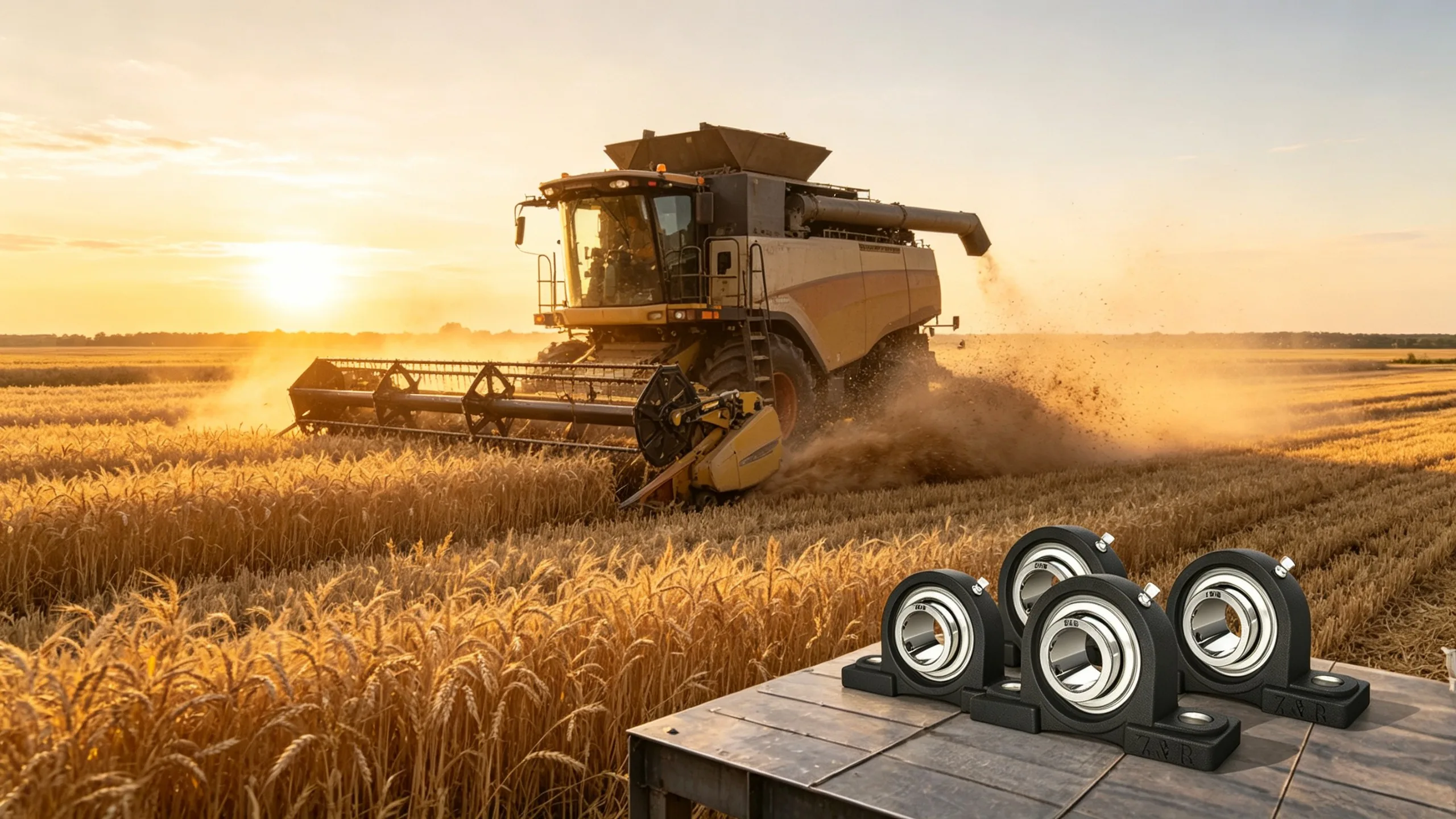
Agricultural Machinery Industry
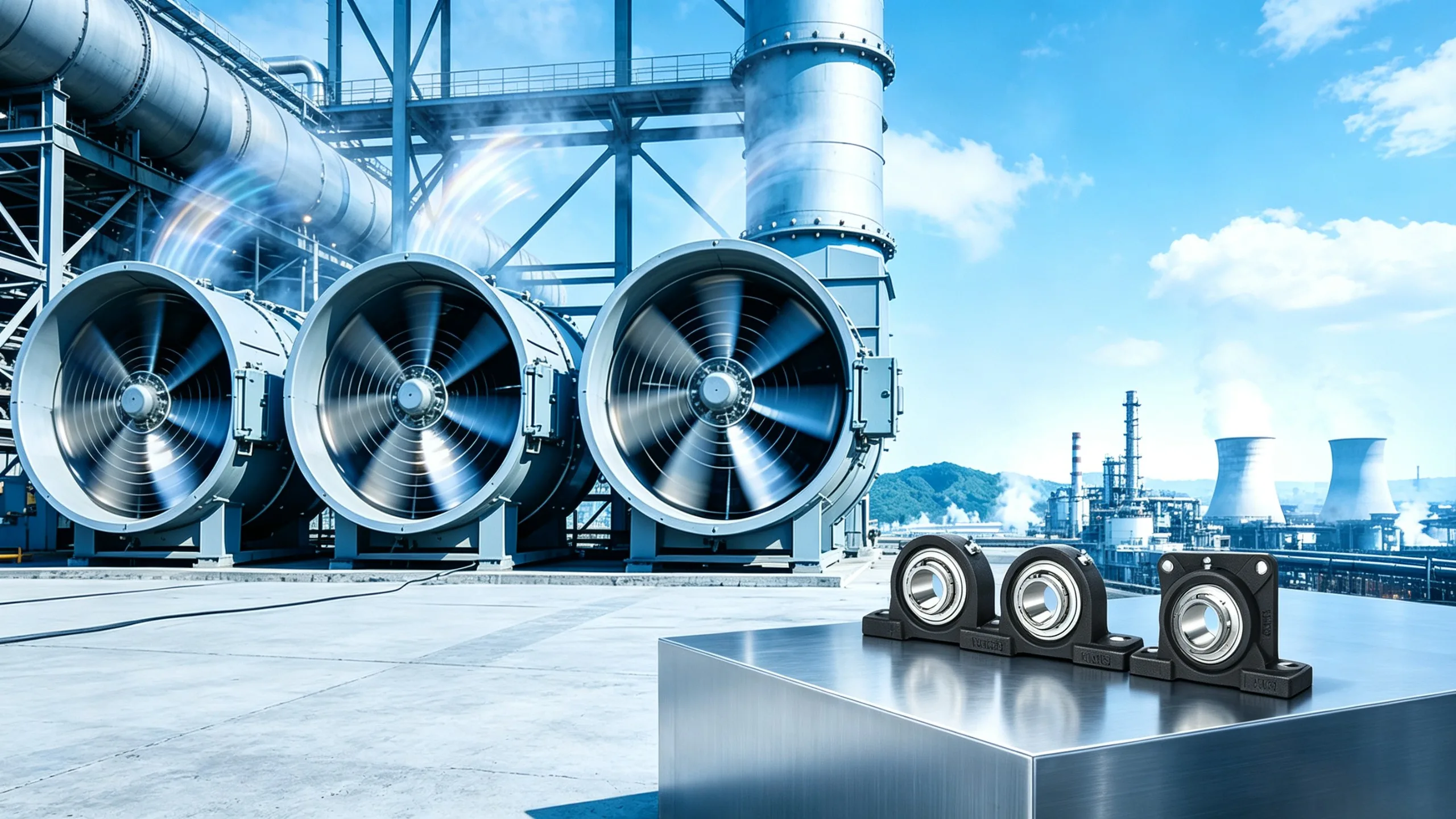
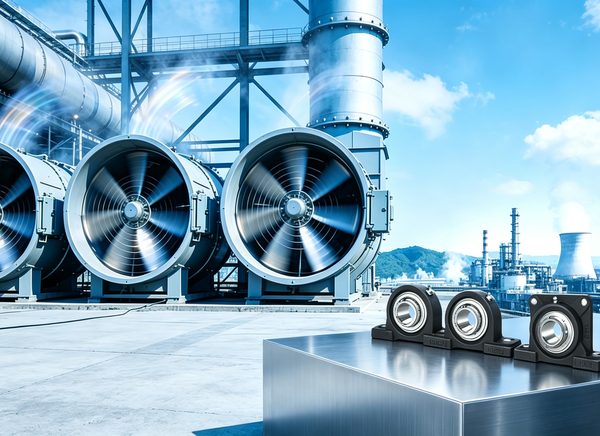
Fan Industry
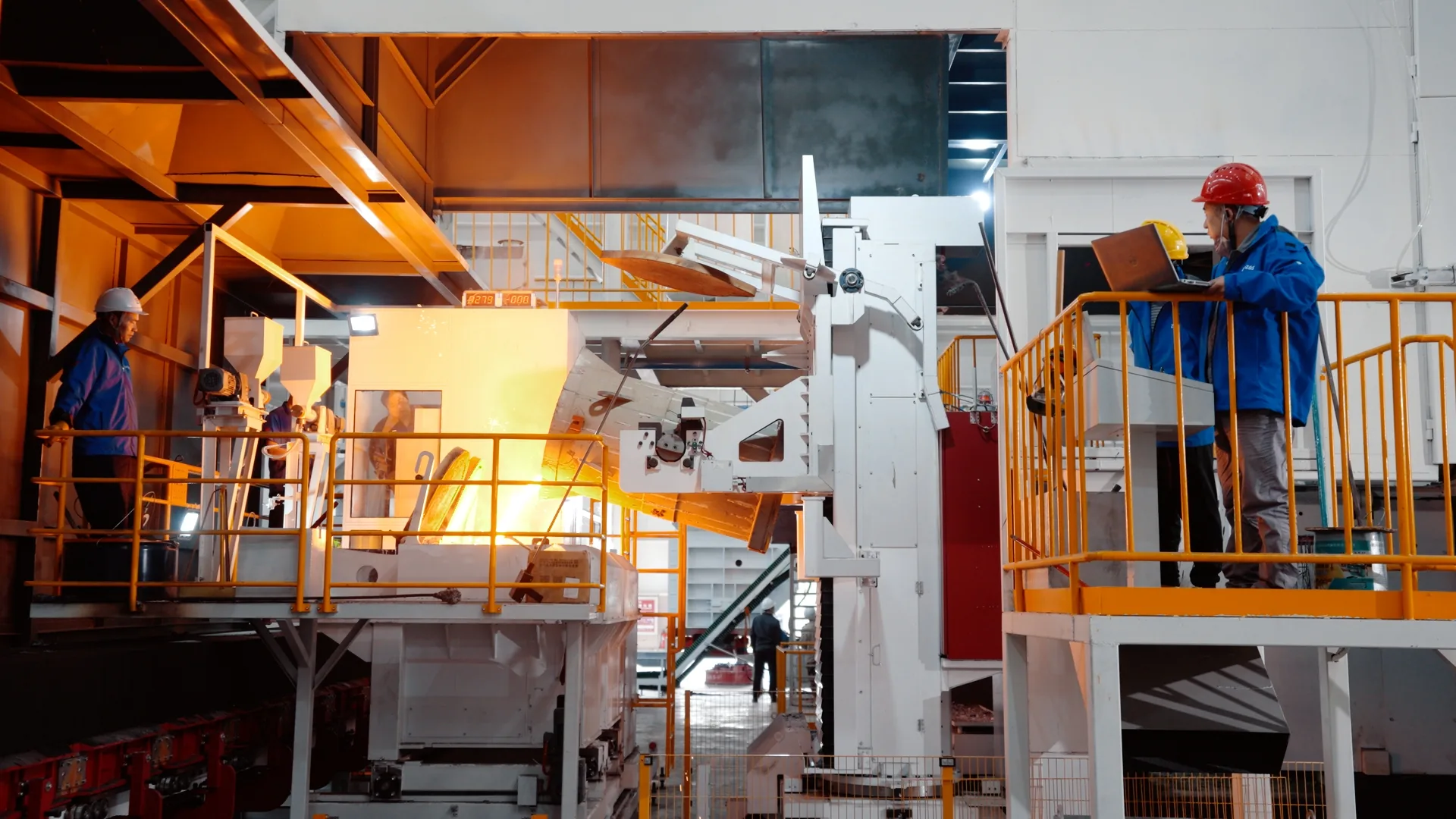
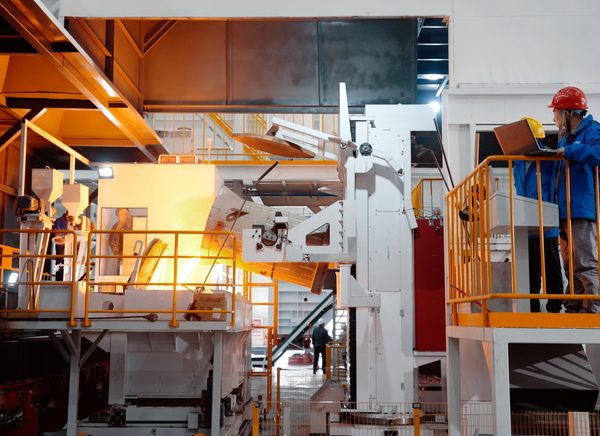
Metallurgical Industry
Stereo Garage
Material Transportation
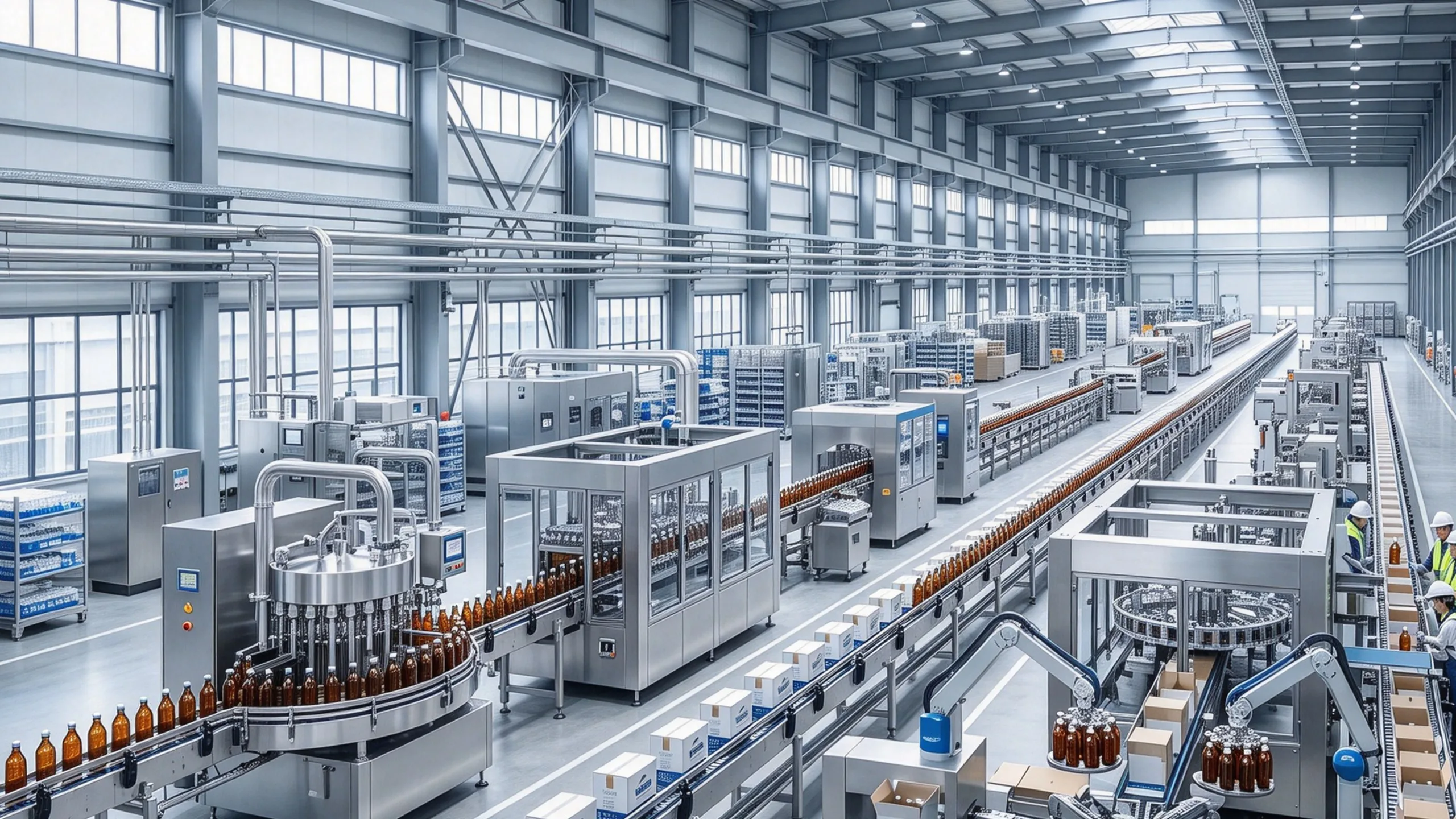
Packaging Machinery
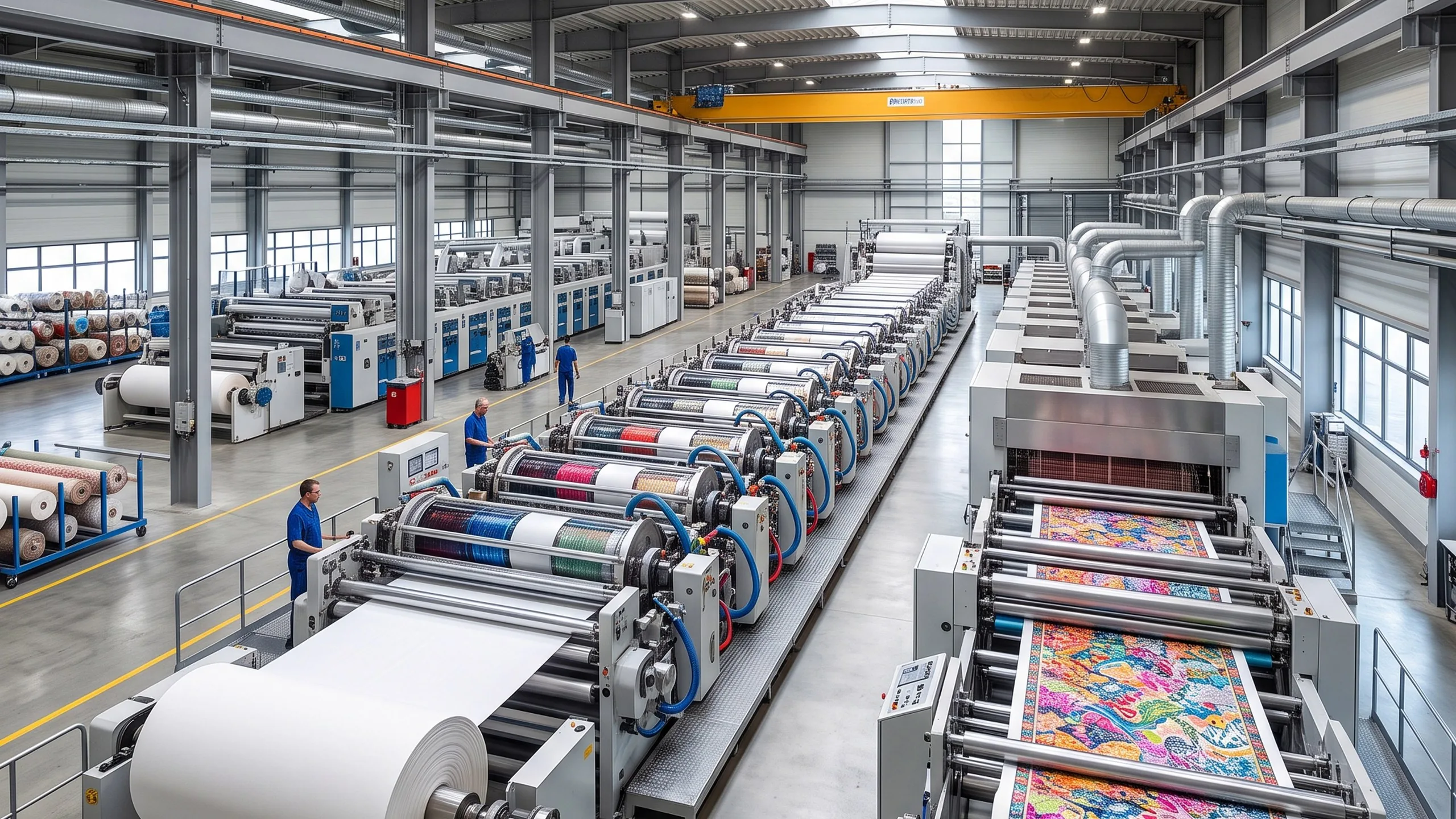
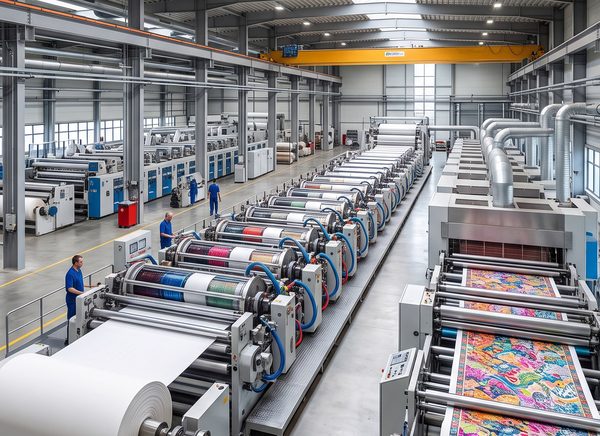
Printing And Dyeing Machinery
News
NA Series Needle Roller Bearings: Structural Advantages, Selection, Application and Maintenance Guide
The NA series comprises single-row and double-row needle roller bearings with inner rings and machined rings. Their key features include an ultra-thin radial cross-section, high rigidity, and exceptionally high pure radial load capacity. Specially designed for applications with extremely limited space, heavy loads, and medium-to-high speed rotational or oscillating conditions, they serve as core compact transmission components in automobiles, machine tools, reducers, hydraulic equipment, and other fields.   1. Core Structure and Key Advantages of NA Series Bearings   NA series bearings consist of an inner ring, outer ring, needle rollers, cage, and optional seals. The outer ring is equipped with integral double ribs, allowing axial positioning of the needle roller assembly in both directions. The inner ring provides a standard raceway and can be installed directly without requiring shaft surface hardening or grinding, reducing associated costs. Extreme Compactness: The radial height is much smaller than that of deep groove ball bearings or cylindrical roller bearings. Load capacity is increased by 30%–50% within the same installation space, making them ideal for confined layouts. High Load Rigidity: With numerous long and thin needle rollers and large contact areas, they feature outstanding resistance to deformation and eccentric loads under pure radial force, suitable for heavy-duty, shock, intermittent, and oscillating conditions. Easy Installation: With a standard inner ring, the shaft requires no special hardening. Both press fitting and thermal fitting are applicable, and the separable structure simplifies assembly and maintenance. Stable Precision: Machined rings plus precision cages ensure high rotational accuracy, low friction, and low temperature rise, adapting to continuous medium-to-high speed operation. Optional Sealing: Available in open type, double rubber seals (2RS), and dust cover types to accommodate dusty, oily, humid, and other complex environments.   2. Model Classification and Core Selection Criteria   Main Model Series NA49 Series (Standard Thin-Wall Type): The most widely used, with the smallest radial cross-section, suitable for light-to-medium loads and medium-to-high speeds (e.g., NA4900, NA4905, NA4910). NA69 Series (Extended Thin-Wall Type): Greater width, higher load capacity and rigidity, ideal for heavy loads and long shaft supports. NA48 Series (Ultra-Thin Wall Type): Extremely low radial height, designed exclusively for ultra-compact space applications. Double-Row NA Series: Dual needle roller rows with doubled load capacity, suitable for high-shock and high-rigidity demands. Key Selection Factors Load: Primarily pure radial load; cannot withstand axial forces. For heavy loads or shocks, choose double-row or full-complement NA bearings; for light loads, standard NA49 series is recommended. Space: For radial constraints, prioritize NA48/NA49; for axial limitations, select narrow-width types; for high rigidity, use NA69 or double-row versions. Speed: Oil lubrication supports higher speeds than grease lubrication. For high speeds, use caged and sealed types; for low-speed heavy loads, full-complement needle designs may be used. Environment: For dusty or humid conditions, select 2RS sealed types; for high temperatures, use high-temperature resistant grease; for mild corrosion, stainless steel NA bearings are optional. Shaft Condition: If shaft hardness is insufficient (
2026-04-10
UC Series Insert Bearings: Structure, Selection & Maintenance Guide
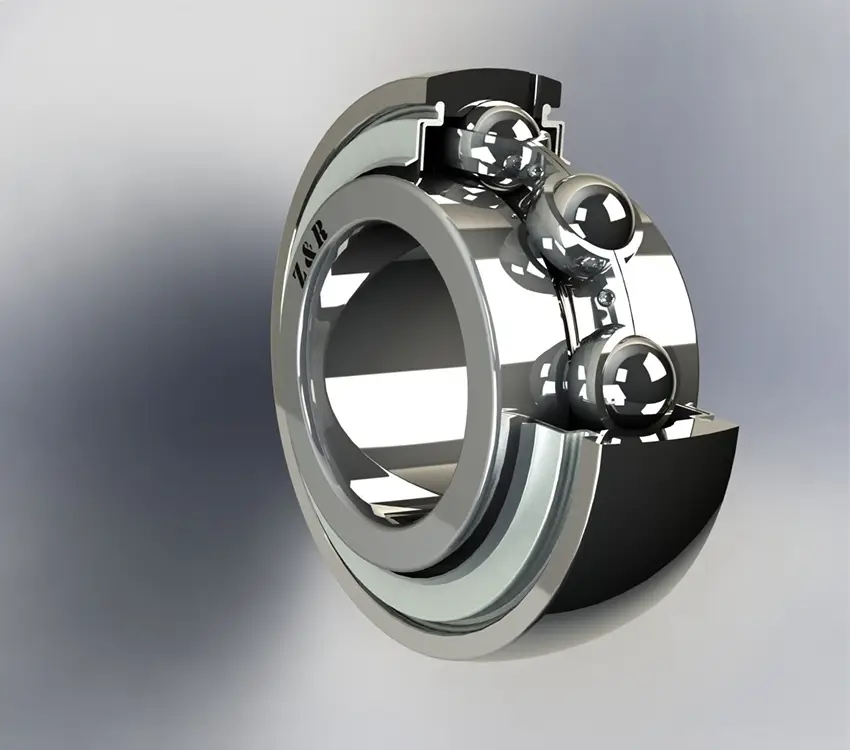
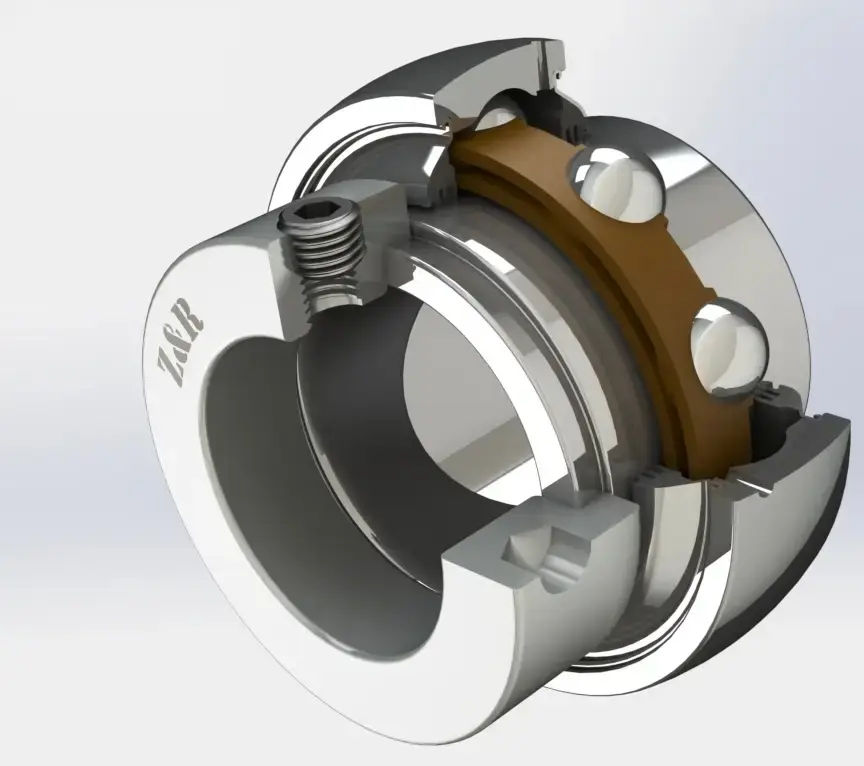
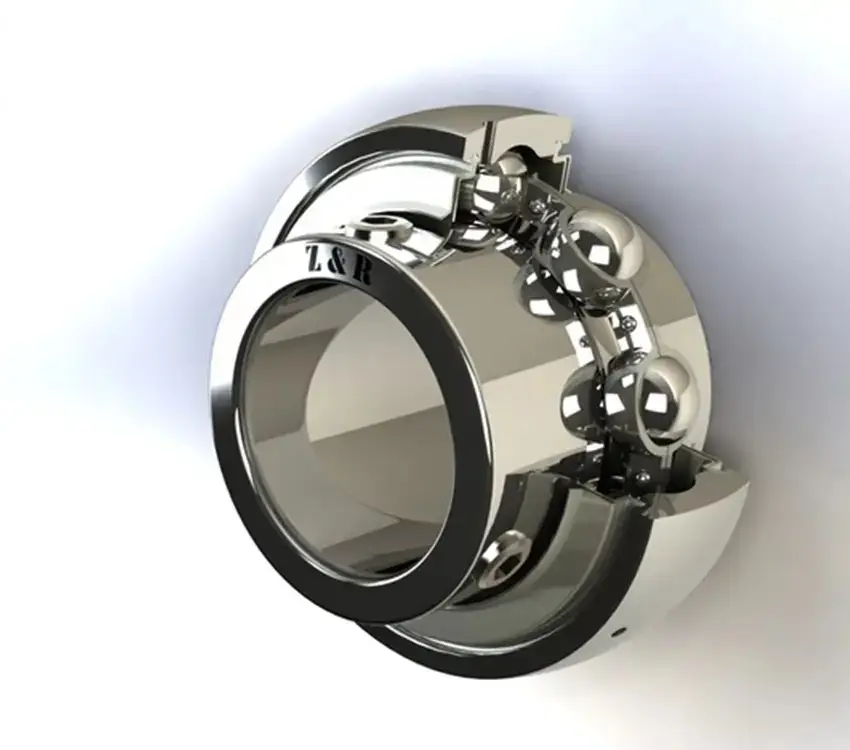
UC series insert bearings are widely used general-purpose transmission components in industrial and agricultural equipment, consisting of inner ring, outer ring, steel balls, cage, and double-sided seals. They can be matched with various bearing housings such as UCP, UCF, and UCFL, and are favored for their self-aligning, easy installation, vibration resistance, and dust-proof performance. Designed to effectively solve common industry pain points such as shaft eccentricity, large installation errors, and harsh working environments, UC series bearings provide stable and reliable performance in various transmission systems.   1. Structure and Core Advantages of UC Series Bearings   UC series bearings adopt a spherical outer ring structure, which can deflect at a certain angle in the bearing housing. This design automatically compensates for shaft bending, frame deformation, and installation misalignment, significantly reducing eccentric load wear. The built-in efficient sealing structure effectively blocks dust, muddy water, and impurities from entering the bearing, extending the lubrication life and service cycle. The inner ring uses a set screw or eccentric collar locking method, requiring no complex tools during installation. It can be quickly fixed on a smooth shaft, making disassembly and maintenance extremely convenient. Meanwhile, the UC series is divided into two main categories: the UC200 standard series and the UC300 heavy-duty series. With clear load-bearing classification, they can meet the needs of light, medium, and heavy-load working conditions, featuring strong versatility and good interchangeability, suitable for mass equipment matching and after-sales replacement.   2. Selection Points and Application Scenarios of UC Bearings   Selection is mainly based on load, rotation speed, environment, and installation method: For scenarios with normal rotation speed and medium load, such as conveyors, fans, and textile machinery, the UC200 series is preferred; For scenarios with large impact and heavy load, such as agricultural machinery drums and mining conveyor equipment, the UC300 series is recommended. It has a larger outer diameter and width, with stronger load-bearing capacity and fatigue resistance; For humid and slightly corrosive environments, the stainless steel SUC series can be selected; for high-temperature working conditions, high-temperature resistant grease should be used together. UC series bearings have an extremely wide range of applications, commonly used in harvesters, tractors, conveyer belts, vibrating screens, textile machines, packaging machinery, ventilation equipment, etc. They are particularly suitable for scenarios with complex working conditions and limited maintenance conditions.   3. Installation and Lubrication Notes   Before installation, clean the oil stains and burrs on the shaft surface to avoid scratching the inner hole of the bearing. The bearing should be pre-filled with an appropriate amount of lubricating grease, generally 1/3 to 1/2 of the internal space; excessive grease may cause overheating during operation. When tightening the set screws or eccentric collars, apply uniform force to prevent locking or loosening. After installation, check whether the shaft rotates smoothly, and avoid forced assembly that may cause excessive preload. During daily use, regularly observe the bearing temperature and operating sound. Abnormally high temperature is mostly related to insufficient lubrication, over-tight installation, or misalignment.   4. Daily Maintenance and Simple Fault Handling   Under normal working conditions, it is recommended to check the sealing status and supplement lubricating grease every month; the cycle can be appropriately shortened in harsh environments. If abnormal noise, vibration, or rapid temperature rise occurs, shut down the machine for inspection in a timely manner. Common causes include impurity intrusion, lubrication failure, and internal wear. Minor problems can be resolved by cleaning and supplementing grease; if the wear is severe, the bearing should be replaced in time to avoid damaging the equipment shaft system.
2026-04-10
Insert Ball Bearings: Core Condition Adaptation Solutions & Low-Maintenance Operation System for Long-Lasting Stable Transmission
As a highly adaptable component in precision transmission, insert ball bearings feature a spherical outer ring design, strong sealing protection, and quick assembly and disassembly. They effectively solve industry pain points of traditional bearings, such as complicated installation, difficult alignment, and vulnerability to contamination. These bearings are widely used in agricultural machinery, conveyor lines, mining equipment, fans, textile machinery, and other fields. Unlike the single adaptability of standard bearings, insert bearings can flexibly compensate for installation deviations and dynamically respond to operating condition changes through structural design, making them a stable support for transmission systems in harsh environments. Going beyond the basic framework of traditional selection and installation, this article focuses on four core aspects: precise operating condition adaptation logic, full-process installation specifications, differentiated operation and maintenance strategies, and failure prevention. It provides original, crawler-friendly professional content to help users select, use, and maintain insert bearings properly, achieving improved transmission efficiency and extended equipment service life.   1. Core Adaptation Logic of Insert Bearings: Focus on Actual Working Conditions   The core value of insert bearings lies in their dynamic adaptability, not just dimensional matching. Many users only consider basic parameters such as shaft diameter and bore size during selection, ignoring condition differences and leading to early bearing failure. True adaptation relies on a precise matching system of material, sealing, and locking to specific working conditions.   1.1 Customized Sealing Structures for Different Environments   Sealing is critical for the long-term performance of insert bearings in harsh environments and must be selected based on contamination and humidity levels: Indoor dry and clean environments: Single-layer rubber seals provide basic dust and moisture protection with balanced cost and performance. Outdoor dusty, humid, straw or sediment-prone sites (agricultural harvester heads, mining conveyors): Double-lip seals plus dust covers form a dual barrier to block dust, moisture, and particles, preventing internal damage from seal lip wear. Saline-alkali or acidic corrosive environments: Fluororubber seals with anti-corrosion coatings resist chemical erosion, slow seal aging and bearing rust, and form a long-term protective system.   1.2 Specification Matching by Load and Speed   Load characteristics and speed requirements directly determine the appropriate insert bearing model: Medium-heavy load and high-frequency vibration (harvester drums, heavy conveyors): Thickened inner ring bearings enhance radial load capacity and impact resistance, avoiding raceway crushing and inner ring deformation. Light-load and high-speed operation (small fans, textile machine spindles): High-precision standard insert bearings reduce frictional heat and noise, ensuring smooth running. Fluctuating and shock loads: Bearings with reinforced outer ring supports disperse local stress and extend fatigue life.   1.3 Locking Methods for Stable Operation   Locking types determine anti-loosening performance and installation efficiency: Set screw locking: Suitable for low-speed, light-load equipment with minimal vibration (small assembly lines, agricultural seeders), offering easy installation and low cost. Eccentric collar locking: Designed for high-speed, heavy-duty, high-vibration applications (agricultural wheels, mining mixers), providing uniform force and excellent anti-loosening performance. Lock nut locking: Ideal for large shaft diameter and ultra-heavy-duty equipment (large tractor rear axles, heavy conveyor frames), delivering firm fixation and reduced displacement risk.   2. Standard Installation Procedures to Prevent Early Failure   Statistics show that over 70% of early insert bearing failures result from improper installation, not product quality. Installation follows four key steps: cleaning, gentle assembly, alignment, and protection.   2.1 Pre-Installation: Thorough Cleaning   Clean shaft journals and housing mating surfaces to remove oil, burrs, rust, and dust. Repair scratches or pits on the shaft surface to avoid damaging the bearing inner ring raceway.   2.2 Assembly: Gentle and Even Pressure   Avoid direct hammering on bearing faces, outer rings, or housings, which may cause deformation, seal damage, or cracking. Use a soft rubber mallet or mounting sleeve with uniform pressure. For interference fits, low-temperature heating (not exceeding 100°C) is recommended.   2.3 Locking and Alignment   Tighten set screws or eccentric collars with appropriate torque. Over-tightening causes overheating; under-tightening leads to loosening. After installation, rotate the shaft manually to ensure smooth operation with no abnormal noise. Coaxiality deviation should be within 0.1 mm. Add anti-loosening washers for high-vibration equipment.   2.4 Sealing Protection   Ensure seals fit tightly without misalignment or gaps. For outdoor equipment, install detachable dust covers to reduce contact between straw, dust, and seals, extending seal life. 3. Differentiated Maintenance Strategies to Extend Service Life   Maintenance of insert bearings focuses on precise lubrication, dynamic inspection, and graded care. Replacing unified, rough maintenance with condition-based strategies can extend bearing life by more than 40%.   3.1 Precise Lubrication   Select water-resistant, anti-wear, high-temperature lithium-based grease. Do not mix different grease types. Lubrication interval: 3–6 months for indoor dry conditions; 1–2 months for harsh outdoor or heavy-load conditions. After rainy operation, check and replace emulsified grease immediately. Fill volume: Control at 1/3 to 1/2 of internal space to avoid overheating or dry friction.   3.2 Dynamic Inspection   Daily inspection: Monitor housing temperature (shut down if exceeding ambient by 40°C), listen for abnormal noise, and clean surrounding dust and debris weekly. Monthly inspection: Disassemble the housing to check seal condition, fastener tightness, and bearing wear. Resolve issues promptly to avoid full machine downtime.   3.3 Graded Maintenance   Light-load stable conditions: Routine inspection and regular lubrication without frequent disassembly. Heavy-load harsh conditions: Increase inspection frequency and overhaul bearings quarterly. Spare bearings: Store in dry, ventilated areas with anti-rust grease and moisture-proof film. Check every 2–3 months.   4. Failure Prevention for Stable Long-Term Operation   Common failures include seal failure, eccentric wear, loosening, and corrosion. Targeted prevention addresses root causes.   4.1 Seal Failure Prevention   Match seals to working conditions and ensure proper installation. Add dust retainers in muddy environments and high-temperature seals in hot conditions to block contamination.   4.2 Eccentric Wear Prevention   Align mounting surfaces and use shock-absorbing pads. Use consistent batch bearings for transmission groups to reduce uneven loading.   4.3 Loosening Prevention   Select appropriate locking methods and retighten fasteners every 1–2 months for high-vibration equipment.   4.4 Corrosion Prevention   Use stainless steel or coated bearings in corrosive environments. Protect idle bearings with anti-rust treatment and moisture-proof packaging.   5. Selection Pitfalls to Avoid   Mistake 1: Focusing only on dimensions   Ignoring load, speed, and environment leads to overheating, noise, and short life. Always match sealing, locking, and material to conditions.   Mistake 2: Choosing low-cost products   Cheap bearings often use inferior steel and weak seals, resulting in high long-term maintenance costs. Prioritize high-carbon chromium steel, precision heat treatment, and durable seals.   Mistake 3: Confusing general-purpose and specialized models   General bearings perform poorly in agriculture or mining. Use dedicated models with enhanced sealing, impact resistance, and corrosion protection for better stability and life.
2026-04-10
Agricultural Machinery Bearings: Combating Operating Condition Deterioration and Longevity Management to Solve Frequent Field Failures
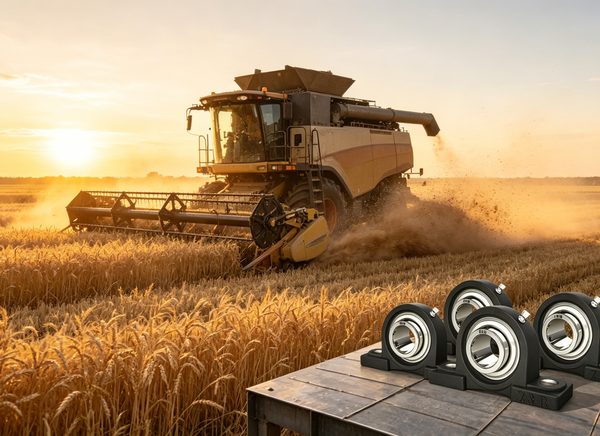
As the core transmission components of agricultural machinery, agricultural bearings are constantly exposed to extreme field conditions including dust, mud, straw entanglement, and alternating impact loads. Their operating environment is far harsher than that of standard industrial bearings, and their performance degradation and failures mostly stem from progressive damage caused by continuous deterioration of operating conditions, rather than sudden breakdowns. Currently, most agricultural machinery users still adopt a passive response mode of "repairing only when broken and replacing only when damaged", which not only significantly increases operation and maintenance costs but also easily leads to equipment downtime during critical busy farming seasons, delaying agricultural progress. This article breaks away from the basic content of traditional bearing selection and installation, focusing on three core directions: prevention at the source of operating condition deterioration, full-cycle longevity management, and minimalistic field maintenance. It shares exclusive practical solutions to help extend the service life of agricultural bearings, reduce failure rates, and ensure efficient and continuous farming operations.   1. Core Causes of Agricultural Bearing Operating Condition Deterioration: Do Not Overlook Progressive Damage   Early failures of agricultural bearings are never caused by a single factor, but the result of the superposition of multiple deterioration factors in the field. Accurately identifying the core causes is the first step in effective prevention and the key to distinguishing it from conventional bearing maintenance.   First, progressive impurity intrusion is the primary culprit of agricultural bearing wear. Unlike the clean environment of industrial workshops, field mud, straw debris, and dust gradually penetrate into the bearing through seal gaps, scratching the raceways and rolling elements. There are no obvious fault symptoms in the initial stage, but long-term accumulation will lead to abnormal noise, jamming, and complete seizure. Such hidden damage accounts for more than 60% of agricultural bearing failures. Second, alternating loads and impact fatigue: Components such as harvester headers, tractor suspensions, and seeder drive shafts experience fluctuating loads during operation, coupled with high-frequency vibration caused by ground turbulence. This generates fatigue cracks inside the bearing, which eventually lead to raceway spalling and component breakage, which are difficult to detect through routine maintenance alone. Third, rapid failure of lubricating media: High humidity, large temperature differences, and mud splashing in the field accelerate the emulsification, loss, and deterioration of lubricating grease. Bearings operating without lubrication protection under dry friction conditions have their service life shortened by more than 80%. Fourth, environmental corrosion accelerates aging: Acid and alkaline substances in soil and rainwater immersion corrode bearing inner and outer rings and seals, leading to enlarged seal gaps and reduced component precision, forming a vicious cycle of "corrosion - dust ingress - wear".   2. Pre-Control of Agricultural Bearing Operating Condition Deterioration: Block Faults at the Source   For the deterioration characteristics of agricultural bearings, pre-control is far more efficient than post-repair. It requires no complex equipment or professional skills, fits field operation scenarios, is easy to implement and effective, and completely eliminates passive maintenance.   1. Customized Seal Upgrades: Build the First Line of Defense Against Impurities   The standard seals of conventional agricultural bearings are difficult to adapt to extreme field conditions, and targeted upgrades can be made according to the operating environment: In mud-prone areas, replace ordinary single-layer seals with double-lip composite seals + dust retaining rings to double block mud and debris; For headers and reel wheels with serious straw entanglement, install detachable dust shields to prevent straw from squeezing seals and causing gap enlargement; For operations in saline-alkali and acidic soils, select bearings with anti-rust and corrosion-resistant coatings to slow down outer ring corrosion and block impurity intrusion and corrosion channels at the source.   2. Load Adaptation Optimization: Alleviate Fatigue Damage   Reject a one-size-fits-all adaptation of universal bearings according to the load characteristics of different agricultural machinery components: For heavy-duty parts such as tractor rear axles and harvester drums, select special agricultural bearings with thickened inner rings and high load ratings to improve fatigue resistance; For light-duty high-speed parts such as seeders and rice transplanters, choose low-friction, high-precision bearings to reduce heat loss during high-speed operation; For parts with severe vibration, match anti-loosening gaskets and cushions to disperse load stress and reduce the probability of fatigue cracks.   3. Long-Term Lubrication Management: Avoid Rapid Media Failure   Abandon the extensive mode of unified lubrication and implement a condition-adapted lubrication plan: Use special water-resistant, anti-emulsification, and high-temperature lithium-based grease for agricultural machinery, and strictly prohibit the use of general industrial grease; During the busy farming season, shorten the lubrication cycle, clean impurities around the lubrication holes during each operation interval, and adopt the "small amount and frequent times" filling method to avoid poor heat dissipation caused by single excessive filling and prevent dry friction due to insufficient grease; After rainy operations, check the bearing lubrication status immediately. If the grease is emulsified or water-contaminated, thoroughly clean and replace it with new grease immediately to prevent deteriorated grease from continuously damaging the inside of the bearing.   3. Full-Cycle Longevity Management of Agricultural Bearings: Achieve Low-Cost Long-Term Operation   The service life of agricultural bearings is not fixed. Through full-cycle refined management, the service life can be extended by more than 50% without excessive cost increase, adapting to the seasonal operation characteristics of agricultural machinery and forming a complete longevity management closed loop.   1. Pre-Operation Inspection: Check Hidden Hazards and Avoid Faulty Operation   Before busy farming operations, conduct a special pre-inspection of all vehicle bearings, focusing on checking the integrity of seals, bolt tightness, and grease condition, rather than only inspecting the appearance. Rotate the bearing components manually to check the smoothness of rotation. If slight jamming or uneven resistance occurs, even without obvious abnormal noise, timely supplement lubrication or check the seal to eliminate faulty operation and prevent small hidden dangers from evolving into major faults.   2. In-Operation Inspection: Real-Time Monitoring and Rapid Disposal   During operation, establish a simple inspection mechanism: Touch the bearing seat every 3-4 hours to check the temperature and listen to the running sound. If the temperature is abnormally high or fine abnormal noise occurs, shut down the machine immediately for inspection to avoid aggravated damage caused by long-term faulty operation. At the same time, clean up straw entangled around the bearings and accumulated mud in a timely manner to reduce external extrusion and impurity adhesion, and keep the area around the bearings clean.   3. Off-Season Maintenance: Thorough Care to Extend Standby Life   The off-season idle period of agricultural machinery is a critical stage for bearing maintenance and should not be neglected. Thoroughly clean impurities and oil stains on all vehicle bearings, disassemble and inspect the bearings comprehensively. Reapply anti-rust grease to slightly worn components and replace excessively worn components with special agricultural bearings of the same model in a timely manner. Park the agricultural machinery in a dry and ventilated warehouse, and wrap the bearing parts with moisture-proof and dust-proof films to avoid moisture and rust during long-term idle; During long-term storage, rotate the bearing components every 2-3 months and supplement a small amount of grease to prevent internal grease from drying out and components from rusting.   4. Rapid Disposal of Sudden Field Failures Without Delaying Busy Farming   During critical busy farming periods, there is no need to wait for professional maintenance for sudden agricultural bearing failures. Master simple disposal methods to quickly resume operations and minimize agricultural delays: If the bearing is slightly overheated, immediately clean up surrounding impurities, drain a small amount of excess grease, check the seal status, and resume operation after a short shutdown for cooling; If slight abnormal noise occurs, supplement an appropriate amount of new grease and clean a small amount of impurities infiltrated inside to maintain temporary operation; If the bearing is seized or the seal is seriously damaged, directly replace it with a spare bearing of the same specification, quickly assemble and put it into use, and conduct in-depth maintenance afterwards.   5. Core Selection Standards for High-Quality Agricultural Bearings: Avoid Inferior Product Traps   When selecting agricultural bearings, do not only look at the price and size, but focus on the exclusive characteristics of field conditions: Prioritize custom special bearings for agricultural machinery instead of general industrial bearings. Special bearings are more suitable for agricultural machinery conditions in terms of material, seal, and load design; Check the bearing material and process, select high-carbon chromium bearing steel material, processed with precision heat treatment and fatigue resistance testing, and seals made of wear-resistant and anti-aging rubber; Reject low-cost inferior bearings, which have weak seals and substandard materials, and will fail in a short period of time, increasing long-term operation and maintenance costs instead.
2026-03-26
More