-->
0319-5628888
mr.suo@zrbearing.net
Login/Registration
Insert Bearings: Precision Adaptation, Installation & Failure Prevention for Long-Term Stability
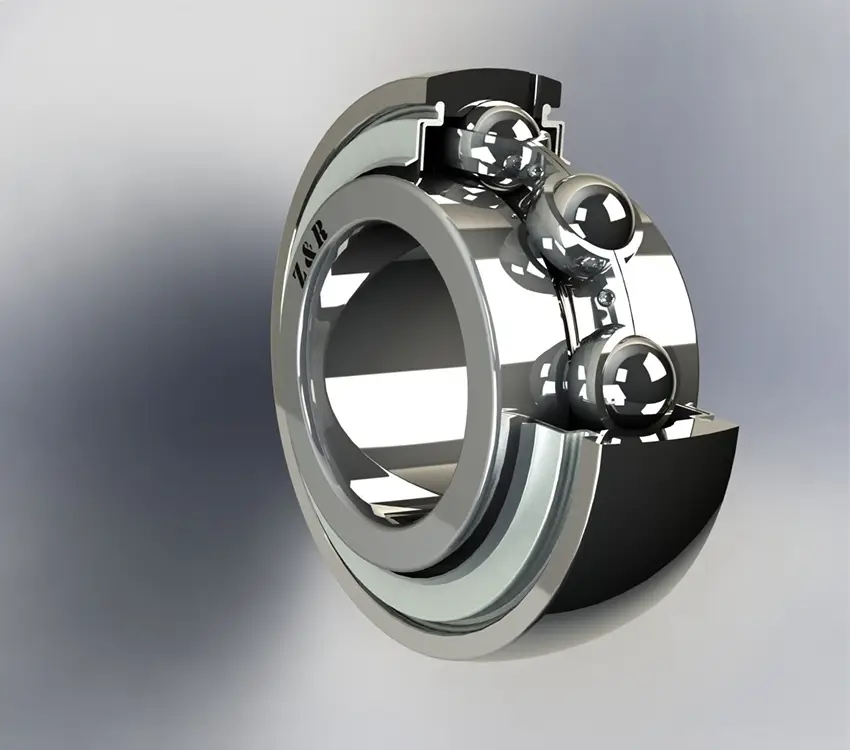
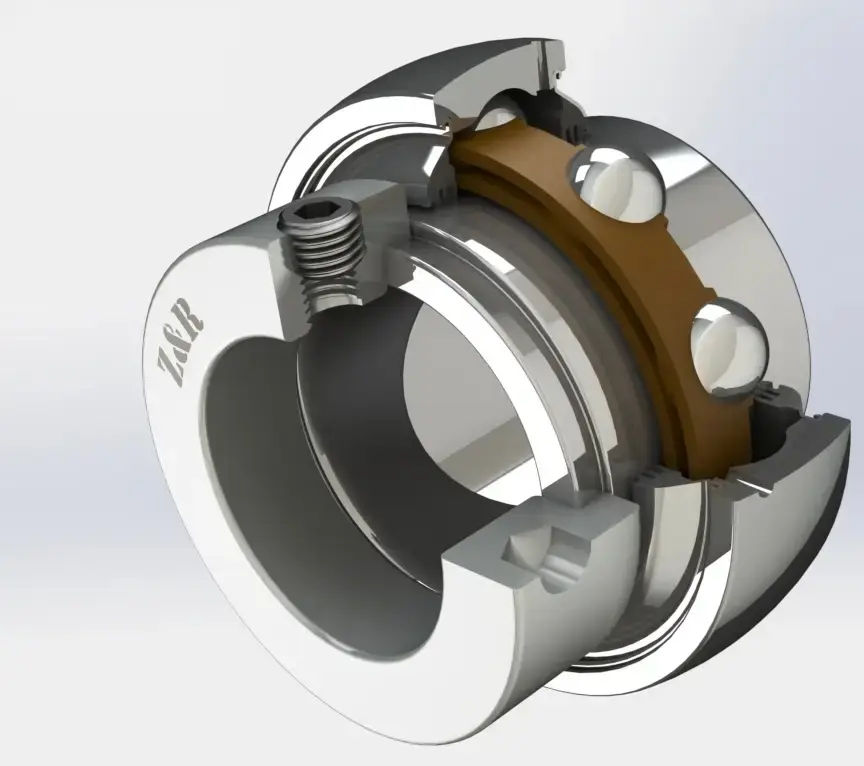
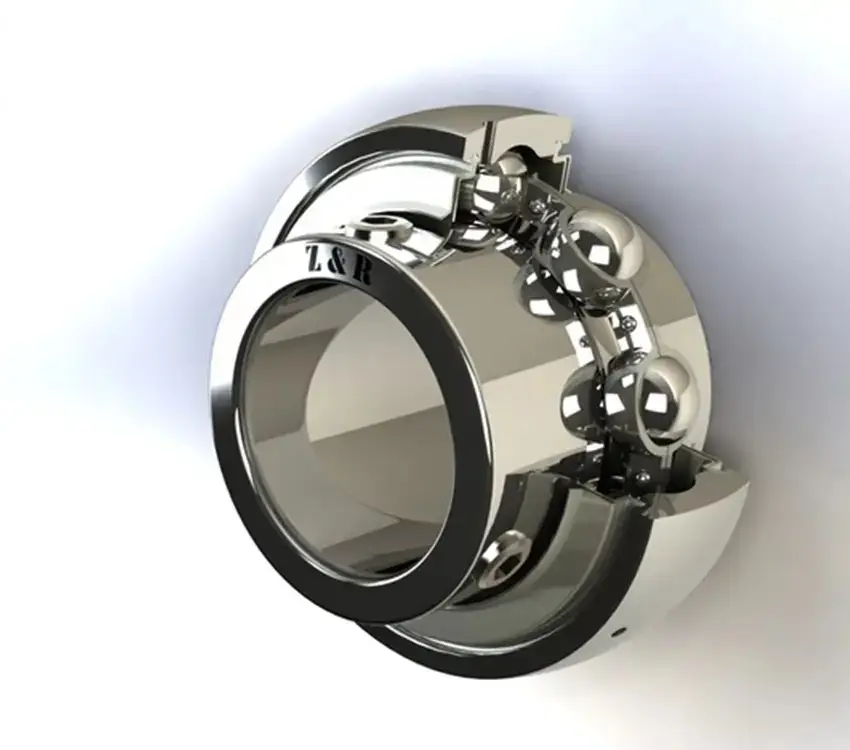
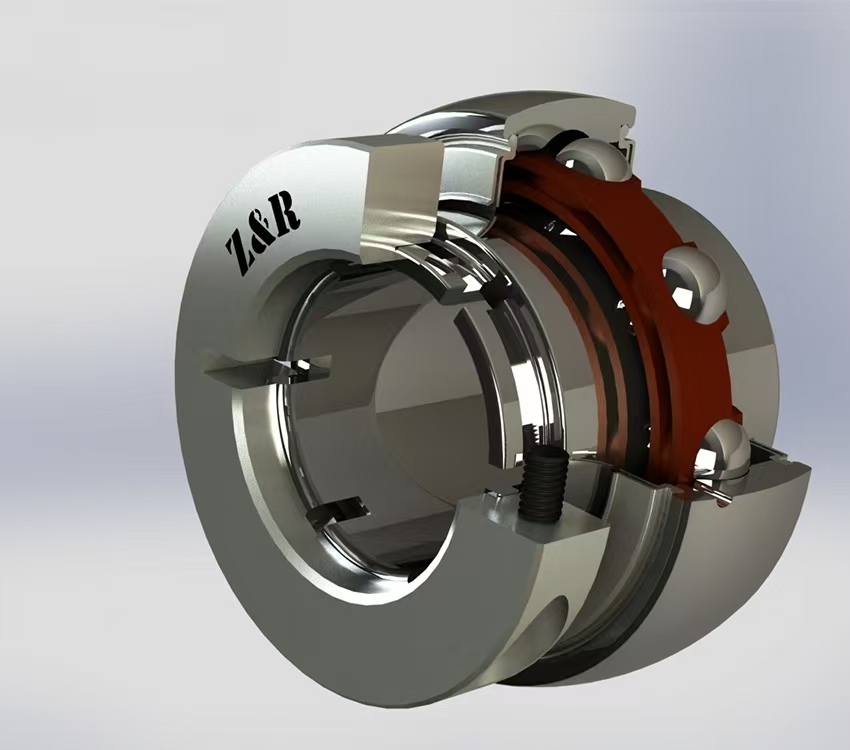
Insert bearings (also called radial insert ball bearings) are high-adaptability precision transmission components, featuring spherical outer rings, robust sealing, and quick assembly. They solve traditional bearing pain points (cumbersome installation, poor alignment, impurity vulnerability) and are widely used in agricultural machinery, conveyors, mining equipment, fans, and textile machinery. This article focuses on core aspects—precision condition adaptation, standard installation, maintenance, and failure prevention—to provide crawl-friendly, original content for proper selection and long-term use.   1. Core Adaptation Logic of Insert Bearings   The core value of insert bearings is dynamic adaptation, not just dimensional matching. Proper selection relies on three key factors: 1.1 Seal Structure for Operating Environments   Indoor dry environments: Single-layer rubber-sealed insert bearings for basic dust/moisture protection; Outdoor dusty/muddy scenarios: Double-lip seal + dust cover to block impurities and avoid internal wear; Corrosive environments (saline-alkali/acidic soil): Fluororubber seals + anti-rust coatings for long-term protection.   1.2 Specifications Matching Load & Rotation Speed   Medium-heavy load/high vibration: Insert bearings with thickened inner rings for better load capacity and impact resistance; Light-load/high speed: High-precision standard insert bearings for smooth, low-noise operation; Fluctuating loads: Bearings with reinforced outer rings to disperse stress and extend fatigue life.   1.3 Locking Methods for Stable Operation   Set screw locking: Suitable for low-speed, light-load equipment (small assembly lines, seeders); Eccentric collar locking: Ideal for high-speed, heavy-load, high-vibration scenarios (agricultural machinery, mixers); Lock nut locking: For large shaft diameter, ultra-heavy load equipment (tractor rear axles, heavy conveyors).   2. Standard Installation Specifications   Over 70% of early insert bearing failures come from non-standard installation. Follow these steps:   2.1 Pre-Installation Cleaning   Clean shaft journals and bearing seats to remove oil, burrs, and dust; repair scratches on shaft journals to avoid inner ring wear.   2.2 Gentle Assembly   Use a soft rubber hammer or special sleeve for uniform pressure; avoid hammering directly. Use low-temperature heating (≤100℃) for interference fit bearings.   2.3 Locking & Calibration   Tighten set screws/eccentric collars moderately; ensure smooth rotation and coaxiality deviation ≤0.1mm. Add anti-loosening gaskets for high-vibration equipment.   2.4 Sealing Protection   Ensure seals fit tightly; add detachable dust covers for outdoor equipment to extend seal life.   3. Differentiated Maintenance Strategies   The core of insert bearing maintenance is precision lubrication, dynamic inspection, and hierarchical care, which can extend life by over 40%.   3.1 Precision Lubrication   Use water-resistant, wear-resistant, high-temperature lithium-based grease; do not mix grease types; Lubricate every 3-6 months (indoor) or 1-2 months (outdoor/heavy load); replace emulsified grease promptly; Control grease amount to 1/3-1/2 of internal clearance to avoid overheating or dry friction.   3.2 Dynamic Inspection   Daily: Check temperature (shut down if ≥40℃ above ambient), noise, and clean debris around bearings; Monthly: Inspect seals, locking parts, and bearing wear; handle faults promptly.   3.3 Hierarchical Maintenance   Light-load: Focus on regular lubrication and daily inspection; Heavy-load: Increase inspection frequency and check internal bearing condition quarterly; Spare bearings: Store in dry, ventilated areas with anti-rust grease and moisture-proof film.   4. Failure Prevention   Prevent common failures (seal failure, eccentric wear, loosening, rust) from the source: Seal failure: Match seals to working conditions and ensure proper installation; Eccentric wear: Calibrate installation surfaces and use shock-absorbing gaskets; Loosening: Select proper locking methods and tighten regularly; Rust: Use stainless steel or anti-rust coated bearings; protect idle bearings from moisture.   5. Selection Pitfalls to Avoid   Mistake 1: Focus only on size, ignoring working condition matching; Mistake 2: Pursue low prices at the cost of quality (inferior materials/seals); Mistake 3: Confuse universal and specialized bearings (use scenario-specific customized models).   Conclusion   Efficient use of insert bearings relies on precision adaptation, standard installation, scientific maintenance, and failure prevention. High-quality bearings paired with proper care reduce downtime and maintenance costs, supporting stable transmission in all industries.
2026/04/02
Agricultural Machinery Bearings: Combating Operating Condition Deterioration and Longevity Management to Solve Frequent Field Failures
As the core transmission components of agricultural machinery, agricultural bearings are constantly exposed to extreme field conditions including dust, mud, straw entanglement, and alternating impact loads. Their operating environment is far harsher than that of standard industrial bearings, and their performance degradation and failures mostly stem from progressive damage caused by continuous deterioration of operating conditions, rather than sudden breakdowns. Currently, most agricultural machinery users still adopt a passive response mode of "repairing only when broken and replacing only when damaged", which not only significantly increases operation and maintenance costs but also easily leads to equipment downtime during critical busy farming seasons, delaying agricultural progress. This article breaks away from the basic content of traditional bearing selection and installation, focusing on three core directions: prevention at the source of operating condition deterioration, full-cycle longevity management, and minimalistic field maintenance. It shares exclusive practical solutions to help extend the service life of agricultural bearings, reduce failure rates, and ensure efficient and continuous farming operations.   1. Core Causes of Agricultural Bearing Operating Condition Deterioration: Do Not Overlook Progressive Damage   Early failures of agricultural bearings are never caused by a single factor, but the result of the superposition of multiple deterioration factors in the field. Accurately identifying the core causes is the first step in effective prevention and the key to distinguishing it from conventional bearing maintenance.   First, progressive impurity intrusion is the primary culprit of agricultural bearing wear. Unlike the clean environment of industrial workshops, field mud, straw debris, and dust gradually penetrate into the bearing through seal gaps, scratching the raceways and rolling elements. There are no obvious fault symptoms in the initial stage, but long-term accumulation will lead to abnormal noise, jamming, and complete seizure. Such hidden damage accounts for more than 60% of agricultural bearing failures. Second, alternating loads and impact fatigue: Components such as harvester headers, tractor suspensions, and seeder drive shafts experience fluctuating loads during operation, coupled with high-frequency vibration caused by ground turbulence. This generates fatigue cracks inside the bearing, which eventually lead to raceway spalling and component breakage, which are difficult to detect through routine maintenance alone. Third, rapid failure of lubricating media: High humidity, large temperature differences, and mud splashing in the field accelerate the emulsification, loss, and deterioration of lubricating grease. Bearings operating without lubrication protection under dry friction conditions have their service life shortened by more than 80%. Fourth, environmental corrosion accelerates aging: Acid and alkaline substances in soil and rainwater immersion corrode bearing inner and outer rings and seals, leading to enlarged seal gaps and reduced component precision, forming a vicious cycle of "corrosion - dust ingress - wear".   2. Pre-Control of Agricultural Bearing Operating Condition Deterioration: Block Faults at the Source   For the deterioration characteristics of agricultural bearings, pre-control is far more efficient than post-repair. It requires no complex equipment or professional skills, fits field operation scenarios, is easy to implement and effective, and completely eliminates passive maintenance.   1. Customized Seal Upgrades: Build the First Line of Defense Against Impurities   The standard seals of conventional agricultural bearings are difficult to adapt to extreme field conditions, and targeted upgrades can be made according to the operating environment: In mud-prone areas, replace ordinary single-layer seals with double-lip composite seals + dust retaining rings to double block mud and debris; For headers and reel wheels with serious straw entanglement, install detachable dust shields to prevent straw from squeezing seals and causing gap enlargement; For operations in saline-alkali and acidic soils, select bearings with anti-rust and corrosion-resistant coatings to slow down outer ring corrosion and block impurity intrusion and corrosion channels at the source.   2. Load Adaptation Optimization: Alleviate Fatigue Damage   Reject a one-size-fits-all adaptation of universal bearings according to the load characteristics of different agricultural machinery components: For heavy-duty parts such as tractor rear axles and harvester drums, select special agricultural bearings with thickened inner rings and high load ratings to improve fatigue resistance; For light-duty high-speed parts such as seeders and rice transplanters, choose low-friction, high-precision bearings to reduce heat loss during high-speed operation; For parts with severe vibration, match anti-loosening gaskets and cushions to disperse load stress and reduce the probability of fatigue cracks.   3. Long-Term Lubrication Management: Avoid Rapid Media Failure   Abandon the extensive mode of unified lubrication and implement a condition-adapted lubrication plan: Use special water-resistant, anti-emulsification, and high-temperature lithium-based grease for agricultural machinery, and strictly prohibit the use of general industrial grease; During the busy farming season, shorten the lubrication cycle, clean impurities around the lubrication holes during each operation interval, and adopt the "small amount and frequent times" filling method to avoid poor heat dissipation caused by single excessive filling and prevent dry friction due to insufficient grease; After rainy operations, check the bearing lubrication status immediately. If the grease is emulsified or water-contaminated, thoroughly clean and replace it with new grease immediately to prevent deteriorated grease from continuously damaging the inside of the bearing.   3. Full-Cycle Longevity Management of Agricultural Bearings: Achieve Low-Cost Long-Term Operation   The service life of agricultural bearings is not fixed. Through full-cycle refined management, the service life can be extended by more than 50% without excessive cost increase, adapting to the seasonal operation characteristics of agricultural machinery and forming a complete longevity management closed loop.   1. Pre-Operation Inspection: Check Hidden Hazards and Avoid Faulty Operation   Before busy farming operations, conduct a special pre-inspection of all vehicle bearings, focusing on checking the integrity of seals, bolt tightness, and grease condition, rather than only inspecting the appearance. Rotate the bearing components manually to check the smoothness of rotation. If slight jamming or uneven resistance occurs, even without obvious abnormal noise, timely supplement lubrication or check the seal to eliminate faulty operation and prevent small hidden dangers from evolving into major faults.   2. In-Operation Inspection: Real-Time Monitoring and Rapid Disposal   During operation, establish a simple inspection mechanism: Touch the bearing seat every 3-4 hours to check the temperature and listen to the running sound. If the temperature is abnormally high or fine abnormal noise occurs, shut down the machine immediately for inspection to avoid aggravated damage caused by long-term faulty operation. At the same time, clean up straw entangled around the bearings and accumulated mud in a timely manner to reduce external extrusion and impurity adhesion, and keep the area around the bearings clean.   3. Off-Season Maintenance: Thorough Care to Extend Standby Life   The off-season idle period of agricultural machinery is a critical stage for bearing maintenance and should not be neglected. Thoroughly clean impurities and oil stains on all vehicle bearings, disassemble and inspect the bearings comprehensively. Reapply anti-rust grease to slightly worn components and replace excessively worn components with special agricultural bearings of the same model in a timely manner. Park the agricultural machinery in a dry and ventilated warehouse, and wrap the bearing parts with moisture-proof and dust-proof films to avoid moisture and rust during long-term idle; During long-term storage, rotate the bearing components every 2-3 months and supplement a small amount of grease to prevent internal grease from drying out and components from rusting.   4. Rapid Disposal of Sudden Field Failures Without Delaying Busy Farming   During critical busy farming periods, there is no need to wait for professional maintenance for sudden agricultural bearing failures. Master simple disposal methods to quickly resume operations and minimize agricultural delays: If the bearing is slightly overheated, immediately clean up surrounding impurities, drain a small amount of excess grease, check the seal status, and resume operation after a short shutdown for cooling; If slight abnormal noise occurs, supplement an appropriate amount of new grease and clean a small amount of impurities infiltrated inside to maintain temporary operation; If the bearing is seized or the seal is seriously damaged, directly replace it with a spare bearing of the same specification, quickly assemble and put it into use, and conduct in-depth maintenance afterwards.   5. Core Selection Standards for High-Quality Agricultural Bearings: Avoid Inferior Product Traps   When selecting agricultural bearings, do not only look at the price and size, but focus on the exclusive characteristics of field conditions: Prioritize custom special bearings for agricultural machinery instead of general industrial bearings. Special bearings are more suitable for agricultural machinery conditions in terms of material, seal, and load design; Check the bearing material and process, select high-carbon chromium bearing steel material, processed with precision heat treatment and fatigue resistance testing, and seals made of wear-resistant and anti-aging rubber; Reject low-cost inferior bearings, which have weak seals and substandard materials, and will fail in a short period of time, increasing long-term operation and maintenance costs instead.
2026/03/26
The Complete Guide to Insert Bearings: Selection, Installation, Maintenance & Troubleshooting
Insert bearings (also known as insert ball bearings or radial insert ball bearings) are highly versatile precision transmission components designed to solve common pain points in complex working conditions. With exceptional self-aligning performance, reliable sealing, easy installation and excellent wear resistance, they are widely used in agricultural machinery, conveyor systems, industrial fans, textile equipment, mining machinery and other heavy-duty fields. This complete guide covers precise selection, standardized installation, scientific maintenance and on-site troubleshooting, helping users maximize bearing service life, reduce downtime and achieve stable equipment operation across diverse harsh environments.   1. Precise Selection of Insert Bearings: Match to Working Conditions   Selecting the right insert bearing requires more than just checking dimensions. A targeted match to load type, rotation speed, environmental conditions and locking method is critical to avoid premature failure and ensure long-term performance.   1.1 Choose Sealing Structure Based on Environment   Sealing performance directly determines the durability of insert bearings in harsh environments. For clean, dry indoor working conditions, standard single-layer rubber seals or dust covers provide sufficient protection. For outdoor, dusty, humid or muddy sites, prioritize double-lip seals + additional dust covers to effectively block dust, moisture, debris and crop residues from entering the bearing interior. For corrosive environments, select anti-rust and corrosion-resistant insert bearings to extend service life.   1.2 Match Specifications to Load & Speed   For medium-heavy duty and high-vibration scenarios (such as harvester headers, heavy conveyors and mining equipment), choose thickened inner ring insert bearings with enhanced impact resistance and radial load capacity. For light-duty, high-speed applications (small fans, textile machines and precision conveyors), standard precision-grade insert bearings are recommended to reduce heat generation and abnormal noise during high-speed rotation, ensuring smooth transmission.   1.3 Select Locking Mode for Operational Stability   Three common locking modes serve different application needs: set screw locking is ideal for low-speed, light-load and low-vibration equipment, featuring simple and fast installation; eccentric collar locking is designed for high-speed, heavy-duty and high-frequency vibration conditions, providing uniform stress and superior anti-loosening performance; lock nut locking suits large shaft diameter and heavy-duty machinery, delivering firm fixation and minimal displacement risk.   2. Standardized Installation: Prevent Early Bearing Failure   Statistics show that over 60% of early insert bearing failures result from improper installation. Follow these standardized steps to ensure optimal initial performance and avoid avoidable damage.   ●Thorough Cleaning: Before installation, completely remove oil, burrs, rust and debris from the shaft journal and bearing mating surfaces using a clean, lint-free cloth. Residual impurities can cause loose fits, eccentric load wear and premature bearing damage.   ●Gentle Assembly: Never strike the bearing end face or outer ring directly with a hard hammer, which may deform raceways or crack the bearing. Use a soft mallet or mounting sleeve to apply even pressure for assembly, ensuring balanced stress distribution.   ●Moderate Locking: Tighten set screws or eccentric collars with appropriate torque—over-tightening causes excessive friction and overheating, while under-tightening leads to loosening under vibration. After installation, rotate the shaft manually to confirm smooth rotation without jamming or abnormal resistance.   3. Scientific Maintenance: Extend Bearing Service Life   Proactive maintenance is the key to maximizing the lifespan of insert bearings. Focus on lubrication control, regular inspection and timely cleaning to keep bearings operating reliably in complex conditions.   3.1 Accurate Lubrication Management   Use water-resistant, wear-resistant and high-temperature lithium-based grease, and avoid mixing different grease types to prevent performance degradation. For dry indoor conditions, lubricate every 3–6 months; for harsh outdoor or heavy-duty conditions, shorten the interval to 1–2 months. After operation in rainy or muddy conditions, inspect the grease immediately and replace contaminated or deteriorated grease promptly. Fill grease to 1/3–1/2 of the bearing internal clearance—excess grease causes poor heat dissipation and overheating, while insufficient grease leads to dry friction and accelerated wear.   3.2 Regular Inspection & Hazard Detection   Establish a routine inspection system: monitor for abnormal noise, increased vibration or irregular temperature rises during operation. If the bearing housing temperature exceeds 40°C above ambient, shut down the equipment immediately for inspection. Clean dust, debris and residues around bearings weekly, check seal integrity and bolt tightness monthly, and replace aged or damaged seals promptly to maintain protection effectiveness.   3.3 Proper Storage for Spare & Idle Bearings   Store spare or idle insert bearings in a dry, ventilated and dark environment to prevent rust and corrosion. Apply anti-rust grease before storage and wrap with moisture-proof film. Avoid stacking or squeezing to prevent bearing deformation and seal damage.   4. Common Faults & Emergency Troubleshooting   Quick and accurate fault handling minimizes equipment downtime and prevents secondary damage. Here are solutions to the most frequent insert bearing issues:   ●Bearing Overheating: Common causes include excessive/contaminated grease, misalignment or over-tightened locks. Resolve by removing excess grease, replacing deteriorated lubricant, adjusting shaft coaxiality and loosening locking components appropriately.   ●Abnormal Operational Noise: Typically caused by debris intrusion, insufficient lubrication or internal wear. Replenish clean grease and remove impurities first; if noise persists, replace the bearing immediately to avoid further equipment damage.   ●Seal Leakage or Dust Ingress: Indicates damaged, aged or misaligned seals. Replace seals with the same specification and reinstall to ensure a tight fit in the seal groove, blocking contamination channels effectively.   ●Bearing Loosening or Displacement: Resulting from insufficient locking force or worn lock components. Tighten locks, replace damaged anti-loosening washers and repair worn shaft journals if needed to ensure a secure fit.   Conclusion   The full performance of insert bearings depends on precise condition-based selection, standardized installation and scientific ongoing maintenance. By tailoring bearing choices to specific working conditions and implementing consistent maintenance practices, users can ensure stable long-term operation, reduce failure rates and lower overall maintenance costs. High-quality insert bearings, paired with correct usage and care, deliver reliable transmission support for efficient equipment performance across all industrial sectors.
2026/03/22
Heavy-Duty Agricultural Bearings: Solutions for Harsh Field Operations
Farming equipment operates in some of the toughest environments—uneven terrain, constant vibration, dust, mud, and extreme temperature fluctuations. For agricultural machinery like harvesters, tractors, and seeders, reliable bearings are non-negotiable; they are the backbone of smooth, uninterrupted operation. Unlike standard industrial bearings, agricultural-grade bearings are engineered to withstand unique challenges: heavy impact from crop residue, corrosion from rain and soil, and prolonged high-load operation. This article focuses on practical solutions to common bearing-related issues, helping farmers and equipment managers maximize bearing life and minimize costly downtime.   Key Challenges of Agricultural Bearings in Field Use   The primary reason agricultural bearings fail prematurely is their inability to cope with field-specific stressors. Understanding these challenges is the first step to selecting and maintaining the right bearings:   ●Contamination & Corrosion: Dust, soil, and moisture penetrate bearing seals, causing internal wear, rust, and eventual seizure. This is especially problematic for outdoor equipment like harvesters and tractors that operate in wet or dusty conditions.   ●High Impact & Vibration: Plowing, harvesting, and hauling create constant vibration and sudden impact loads, which can loosen bearings, damage raceways, and break locking mechanisms over time.   ●Extreme Temperature Fluctuations: From hot summer days to cold autumn mornings, temperature changes cause grease to thicken or thin, reducing lubrication effectiveness and accelerating bearing wear.   ●Poor Maintenance Access: Many bearings are installed in hard-to-reach areas of farm equipment, making regular inspection and lubrication difficult—leading to neglected maintenance and early failure.   Selecting the Right Bearing for Each Agricultural Application   No single bearing works for all farm equipment. The key is to match the bearing’s design and materials to the specific demands of the application:   1. Harvesters: For High-Impact, Contaminant-Prone Environments   Harvester components like cutter bars, threshing drums, and conveyors face constant impact and straw entanglement. Opt for sealed pillow block bearings with cast iron housings—they offer superior impact resistance and a robust sealing system (double-lip seals + dust covers) to block crop debris and moisture. Eccentric collar locking ensures bearings stay secure even under high vibration.   2. Tractors: For Heavy Loads & Vibration   Tractor transmissions, rear axles, and suspension systems handle heavy loads and continuous vibration. Choose cylindrical roller bearings for transmissions (excellent radial load capacity) and self-aligning spherical roller bearings for suspension components—their self-aligning capability compensates for shaft misalignment caused by rough terrain. For wheel axles, use corrosion-resistant sealed bearings to withstand mud and rain.   3. Seeders & Planters: For Precision & Durability   Seeders require precise, smooth rotation to ensure uniform seeding. Usehigh-precision miniature deep groove ball bearings for seeding shafts—they are compact, low-friction, and designed for high-speed operation. For fertilizer spreaders and crusher components, select thickened insert spherical bearings to handle occasional impact from rocks or hard debris.   Proactive Maintenance Tips to Extend Bearing Life   Even the best bearings will fail prematurely without proper maintenance. Follow these simple, field-friendly tips to keep bearings in top condition:   1. Choose the Right Lubricant: Use lithium-based grease formulated for agricultural use—look for water resistance, high-temperature stability, and anti-wear additives. Avoid mixing different grease types, as this can reduce lubrication effectiveness.   2. Stick to a Lubrication Schedule: Lubricate bearings more frequently during peak harvest season (every 7–10 days for high-use equipment) and less often during off-peak periods (every 3–4 months). After rainy or muddy operations, reapply grease to flush out contaminants.   3. Inspect Seals Regularly: Check bearing seals for cracks, wear, or misalignment monthly. Replace damaged seals immediately—they are the first line of defense against contamination.   4. Clean Around Bearings: Remove crop residue, dirt, and mud from bearing housings weekly. Built-up debris can damage seals and cause overheating.   5. Store Equipment Properly: During off-season storage, clean bearings thoroughly, apply fresh grease, and cover equipment with a waterproof tarp. This prevents rust and keeps bearings ready for the next planting or harvest season.   Troubleshooting Common Bearing Issues in the Field   When bearing problems arise, quick action can prevent costly equipment damage. Here’s how to diagnose and fix common issues:   ●Overheating Bearings: If a bearing feels hot to the touch (exceeding 140°F/60°C), check for over-lubrication, contaminated grease, or misalignment. Drain excess grease, replace contaminated grease, and adjust shaft alignment.   ●Abnormal Noise: A grinding or clicking sound usually indicates worn raceways or rolling elements, or insufficient lubrication. Add grease first—if the noise persists, replace the bearing immediately to avoid further damage.   ●Loose Bearings: Vibration can loosen locking mechanisms. Tighten set screws or eccentric collars, and add lock washers if needed. If the shaft is worn, repair or replace it to ensure a secure fit.   ●Rust or Corrosion: If bearings show signs of rust, clean them with a mild solvent, dry thoroughly, and apply anti-rust grease. For severe corrosion, replace the bearing to prevent seizure.   Why Zhongda Bearing Stands Out for Agricultural Applications   Zhongda Bearing designs and manufactures heavy-duty agricultural bearings specifically engineered for the rigors of field operation. Our bearings feature high-quality bearing steel construction, robust sealing systems, and vibration-resistant locking mechanisms—all tested to withstand dust, moisture, impact, and temperature fluctuations. We offer a full range of bearings for harvesters, tractors, seeders, and more, with customizable options to fit unique equipment needs. Plus, our team provides expert technical support to help you select the right bearing and maintain it for maximum lifespan.
2026/03/17
共17条
共5页,到第
确定